
Not all drinkware is built the same, even when it looks similar on a shelf. This drinkware buying guide breaks down the real differences between glass, ceramic, and insulated options, so what you choose actually suits how you drink your coffee, tea, or water every day, not just how it photographs.
A glass that looks elegant but sweats condensation everywhere isn’t actually doing its job. Function should come before finish in everyday drinkware. — Shridya Editorial
Table of Contents
Glass vs. Ceramic vs. Insulated
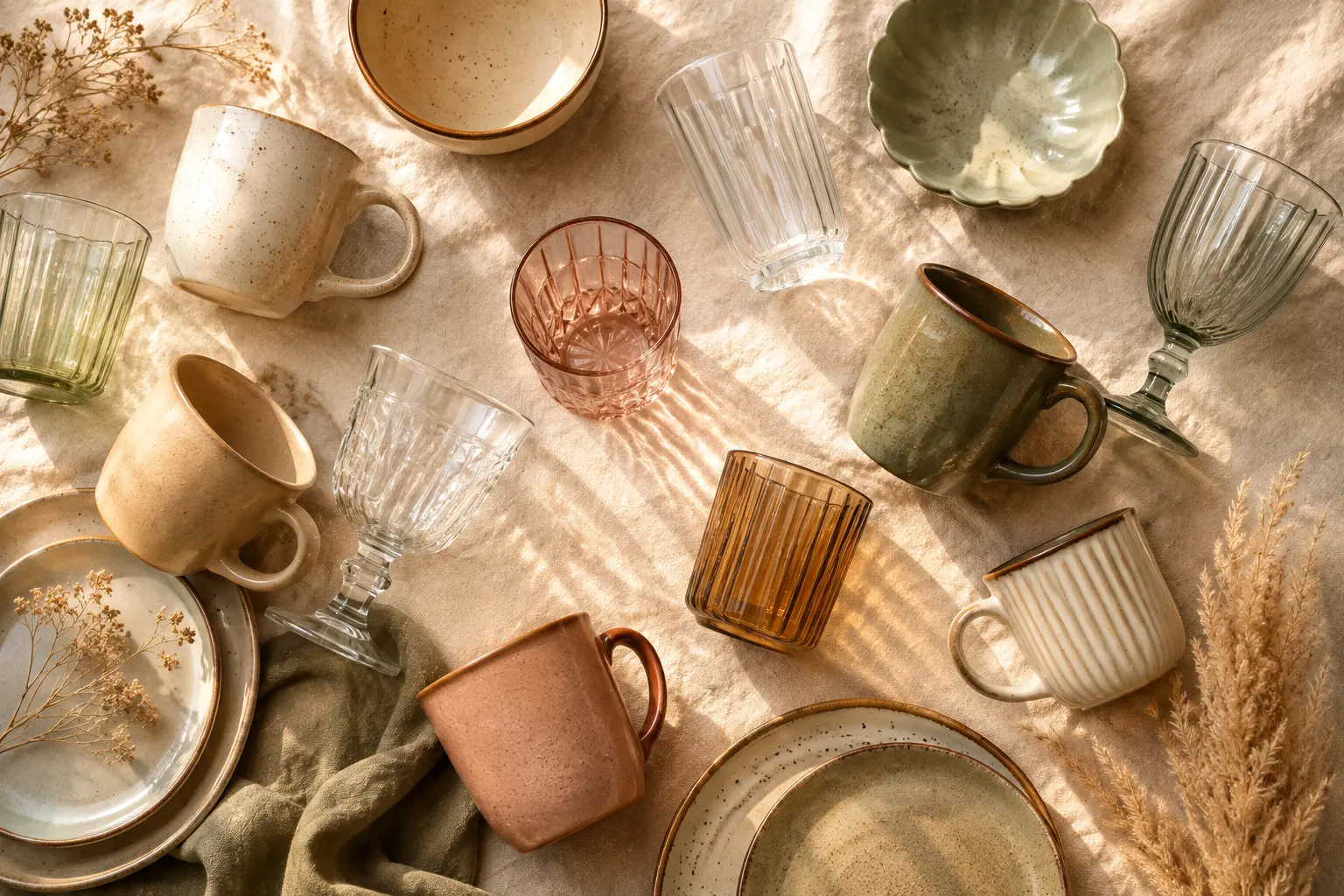
Every drinkware buying guide should start with the three core material categories, since each serves a different daily purpose. Glass keeps drinks visually appealing and doesn’t retain flavours between uses, making it the default choice for water and juice. Ceramic holds heat well and suits hot beverages like coffee and tea, with a warmer, more tactile feel than glass. Insulated tumblers (often double-walled steel or glass with a sleeve) keep drinks hot or cold for extended periods, genuinely useful for anyone who doesn’t finish a drink in one sitting.
Browse the full range:
Showing 1–4 of 8 results

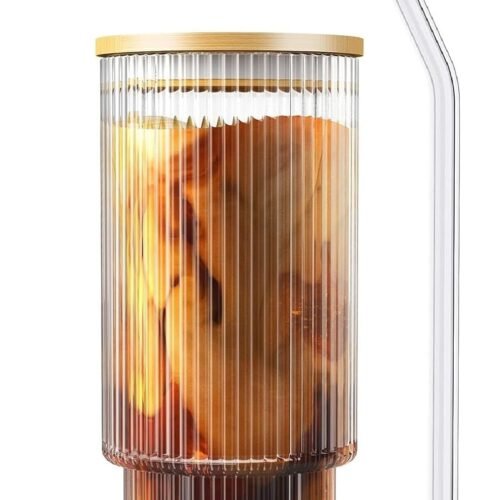
Ribbed Glass Coffee Mug with Bamboo Lid & Glass Straw | Tempered Glass Tumbler for Coffee, Tea, Juice & Cold Drinks | Microwave & Dishwasher Safe | Transparent (Pack of 1)
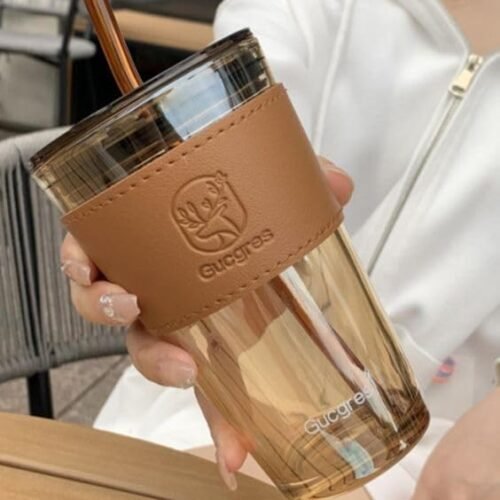
₹287.00Glass Coffee Tumbler with Lid, Straw & Leather Sleeve (450 ml) | Reusable Drinking Glass for Coffee, Tea, Smoothies & Juice | Microwave & Dishwasher Safe | Brown Berry
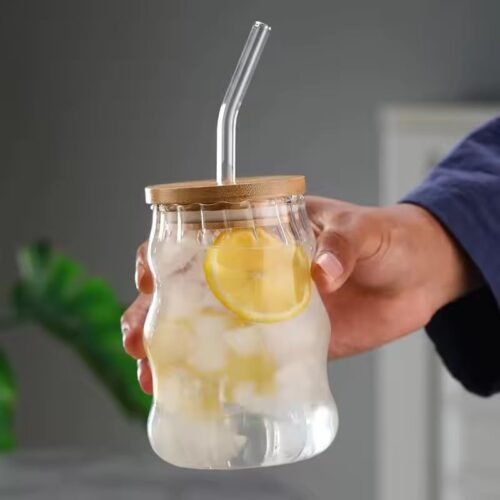
₹289.00Glass Can Sipper Mug (510 ml) with Bamboo Lid & Reusable Straw | Glass Coffee Cup for Iced Coffee, Bubble Tea, Juice & Smoothies
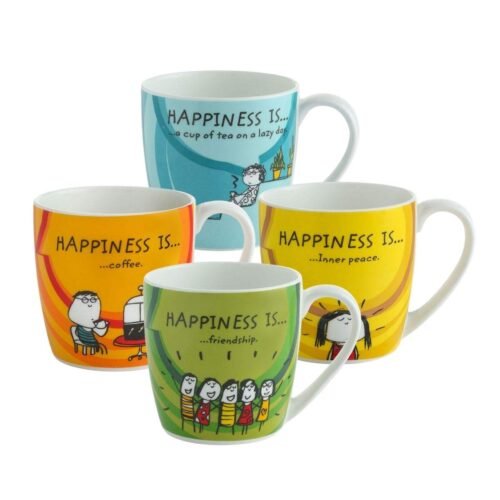
₹298.00Ceramic Coffee Mug Set (220 ml, Set of 4) | Microwave & Freezer Safe Tea & Coffee Mugs | Printed Ceramic Cups for Home, Office & Gifting
₹500.00
Borosilicate Glass — Why It Matters
Common Mistake: Assuming all glass drinkware is equally durable. Regular glass can crack under sudden temperature changes — pouring hot tea into a cold glass, for instance — while borosilicate glass is specifically engineered to resist thermal shock. This drinkware buying guide would flag borosilicate as worth the modest price difference if you’re using the same glass for both hot and cold drinks.
According to general material science guidance, borosilicate glass has a significantly lower thermal expansion coefficient than standard soda-lime glass, which is the actual reason it withstands heat and cold better — not just marketing language.
Everyday Mugs vs. Statement Pieces
A household typically needs a mix: simple, sturdy mugs for daily use, and one or two more decorative pieces for guests or gifting. A themed set, like a couple’s mug set, works well as a gift but isn’t always practical as the only drinkware in rotation. This drinkware buying guide recommends having at least 4-6 simple, stackable mugs as the daily-use base, with statement pieces layered in separately, similar to how we recommend layering textures in our Room-by-Room Home Decor Guide.
Compare styles side by side:
Showing 1–4 of 8 results
Ceramic Coffee Mug Set (220 ml, Set of 4) | Microwave & Freezer Safe Tea & Coffee Mugs | Printed Ceramic Cups for Home, Office & Gifting
₹500.00Crystal Cut Drinking Glasses (300 ml, Set of 6) | Premium Water & Juice Glasses | Freezer, Microwave & Dishwasher Safe | Transparent Glass Tumblers
₹661.00Glass Can Sipper Mug (510 ml) with Bamboo Lid & Reusable Straw | Glass Coffee Cup for Iced Coffee, Bubble Tea, Juice & Smoothies
₹298.00Glass Coffee Tumbler with Lid, Straw & Leather Sleeve (450 ml) | Reusable Drinking Glass for Coffee, Tea, Smoothies & Juice | Microwave & Dishwasher Safe | Brown Berry
₹289.00
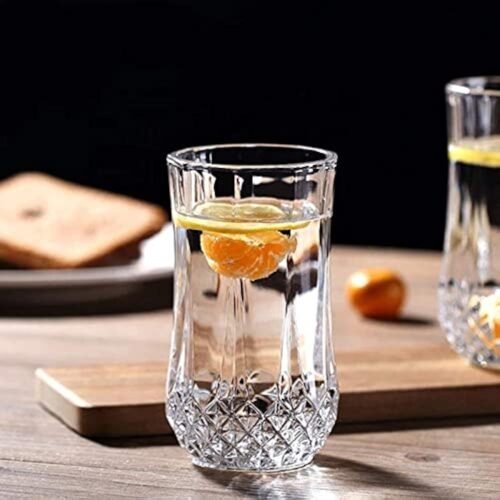
Insulated Tumblers and Sippers
Insulated glass or steel tumblers with a lid and straw have become genuinely practical for people who sip drinks over a longer period — iced coffee, smoothies, or cold water through the day. A bamboo lid and reusable straw combination reduces single-use plastic too, which is worth factoring into the decision beyond just insulation performance.
Set Sizes — Buying for a Household
Drinkware sizing follows household size more than aesthetic preference. A set of 4 suits a small household; sets of 6 work better for families or regular guests. This drinkware buying guide suggests buying slightly more than your exact household size, since glassware inevitably breaks over time and having spares avoids an awkward mismatched set later. Browse the full Kitchen & Dining Collection for pieces that pair well together.
Care and Longevity
Most glass and ceramic drinkware is dishwasher safe, but hand-washing insulated tumblers with bamboo lids specifically is usually recommended, since the wood component doesn’t hold up well to repeated dishwasher cycles. Checking the specific care instructions per material, rather than assuming uniform care across an entire set, extends the life of mixed-material drinkware noticeably.
Quick Checklist
- Have you matched material (glass, ceramic, insulated) to actual daily use?
- Is your glass genuinely borosilicate if it’s used for both hot and cold drinks?
- Do you have enough everyday mugs separate from decorative or gift pieces?
- Is your set size realistic for your household, with a few spares?
- Do you know the specific care requirements for mixed-material pieces?
Key Takeaways
- A good drinkware buying guide starts with matching material to actual use, not looks.
- Borosilicate glass resists thermal shock better than standard glass.
- Keep a base of simple daily-use mugs separate from statement or gift pieces.
- Buy slightly more than your household size to account for breakage over time.
Every product mentioned here is personally checked by Shridya — for quality, real reviews, and honest value — before it earns a place on this site.
Conclusion
A proper drinkware buying guide comes down to matching material and insulation to how you actually drink throughout the day, not choosing purely on appearance. Borosilicate glass for mixed hot-and-cold use, ceramic for daily coffee and tea, and insulated tumblers for on-the-go sipping cover most real household needs. For more on setting up a kitchen that works daily, explore the full Kitchen & Dining Collection.
FAQs
Is glass or ceramic better for coffee mugs?
Ceramic generally holds heat better and feels warmer for daily coffee or tea use, while glass suits cold drinks and doesn’t retain flavours.
What is borosilicate glass, and why does it matter?
It’s a type of glass engineered to resist thermal shock, meaning it’s less likely to crack from sudden temperature changes compared to regular glass.
How many drinking glasses should a household have?
A set of 4 suits a small household, while 6 or more works better for families or frequent guests — buying slightly extra accounts for breakage over time.