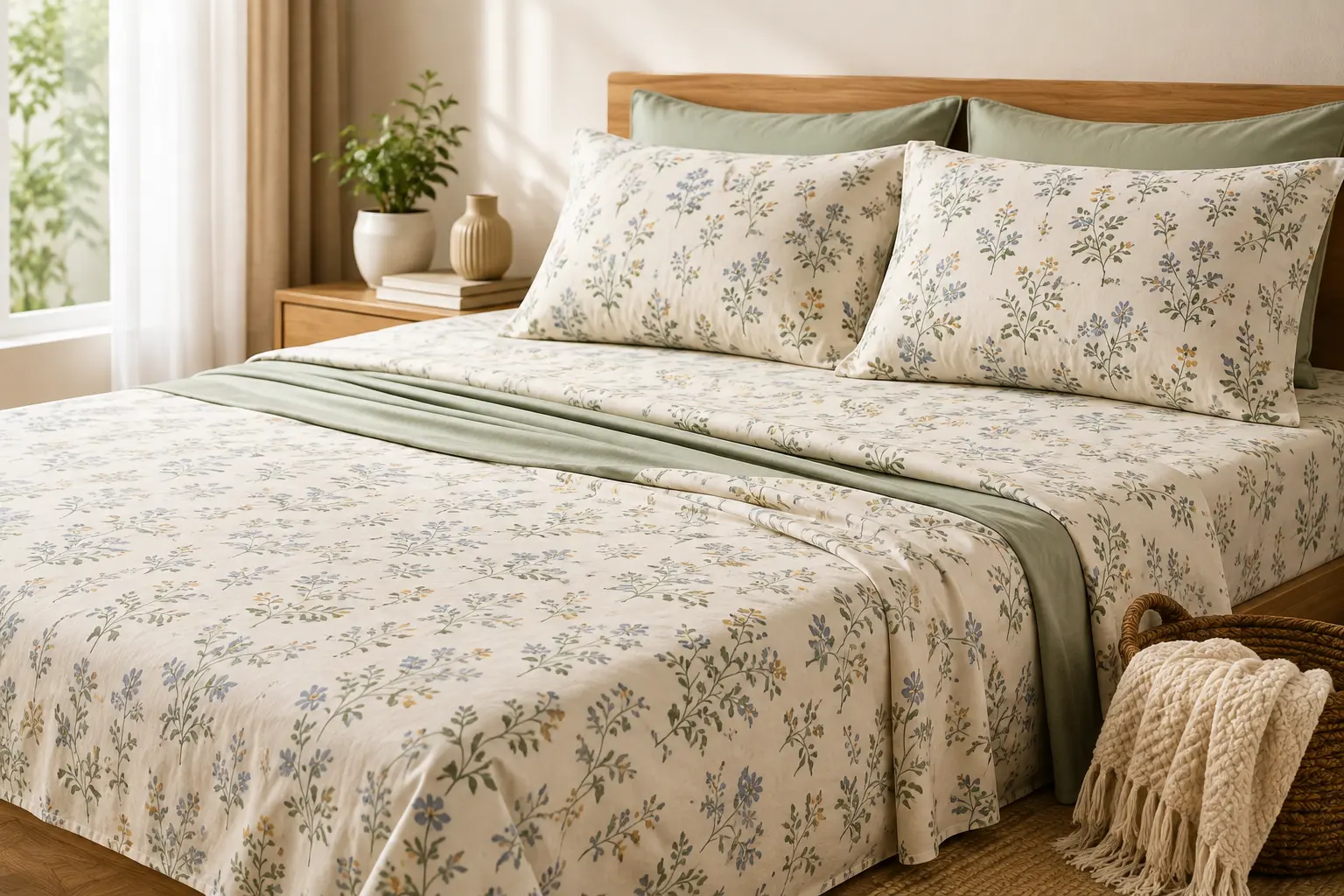

Most people buy a bedsheet the way they buy a phone charger — quickly, without really comparing anything. But a bedsheet touches your skin for roughly a third of your day, which makes it one of the few home purchases actually worth a few extra minutes of thought. This bedsheet buying guide breaks down exactly what to check before you buy, so you’re not guessing.
Table of Contents
Thread Count — What It Actually Means
Thread count is the number of threads woven into one square inch of fabric, and it’s the number most bedsheet buying guides lead with — but higher isn’t automatically better. A well-woven 144 TC cotton sheet can feel better than a poorly made 300 TC one, because weave quality and fibre type matter as much as the raw number.
For everyday Indian household use, 144-200 TC cotton covers most needs comfortably.
Showing 17–18 of 18 results
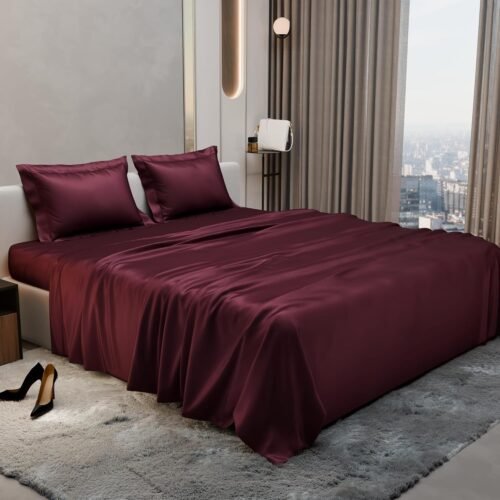
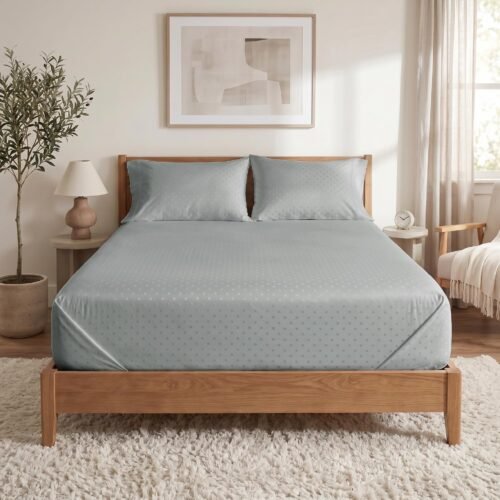
Shridya Tip: Don’t chase 400+ TC unless you know the specific brand’s weave quality. In Indian retail, a genuinely well-made 150-200 TC sheet usually outperforms a cheaply made “high thread count” one on comfort and durability.
Cotton vs. Blended: Which Should You Pick?
This is one of the most common questions in any bedsheet buying guide, and the answer depends heavily on Indian weather specifically. 100% cotton breathes better and manages heat and humidity far better than polycotton or synthetic blends — a real consideration across most of India’s climate, not just a marketing preference.
Common Mistake: Choosing a blended sheet purely because it’s cheaper, without accounting for how much hotter it sleeps compared to cotton. The price difference is often small enough that pure cotton is worth it for comfort alone.
| Material | Breathability | Best For |
|---|---|---|
| 100% Cotton | High | Most Indian homes, year-round comfort |
| Cotton-Polyester Blend | Moderate | Lower cost, slightly more wrinkle-resistant |
| Pure Synthetic | Low | Not recommended for hot, humid climates |
According to general textile guidance from established home publications, natural fibres like cotton typically outperform synthetic blends for temperature regulation in warm climates — consistent with what most Indian households already find in practice.
Fitted vs. Flat Sheets
A fitted sheet has elasticated corners that wrap around your mattress and stay in place; a flat sheet is a simple rectangle laid on top, without elastic. Fitted sheets are generally more practical for daily use since they don’t shift or bunch overnight, while flat sheets are more traditional and easier to fold flat for storage.
If you’re buying your first proper set, a fitted option is the easier, lower-maintenance choice for most households — several are available in the grid above.
Getting the Size Right
Indian mattress sizing varies more than people expect between brands, which makes this section of any bedsheet buying guide worth reading carefully rather than skipping. Always check your mattress’s actual measurements before ordering — don’t assume “Double” or “Queen” means the same size across every seller.
Showing 17–18 of 18 results
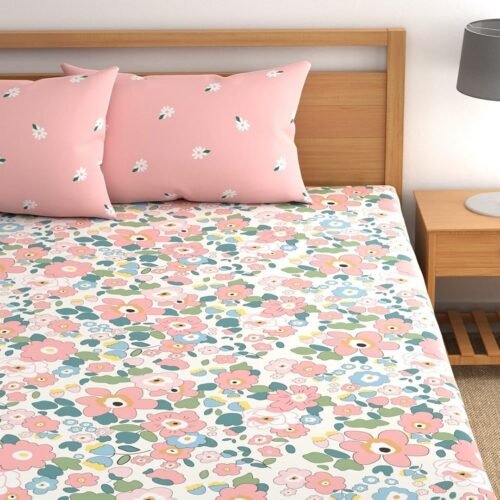
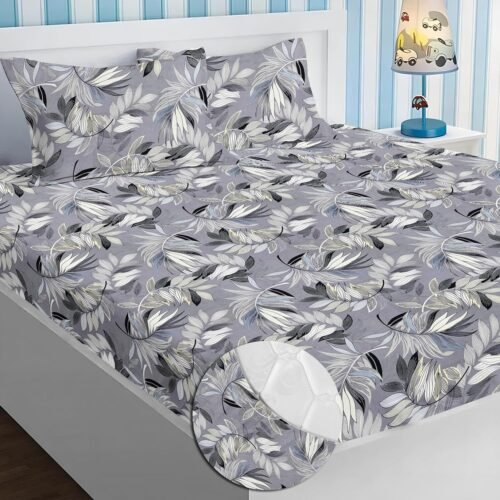
Check the listed dimensions on each product against your actual mattress, not just the size label.
Colour and Print — Practical Tips
Lighter, muted tones (blush, ivory, soft grey) tend to suit most Indian bedrooms better than very dark or heavily printed options, since they reflect light and make a room feel calmer — this ties back to the colour palette principle from our Room-by-Room guide. Darker sheets hide stains better in daily-use guest rooms, which is worth considering depending on the room’s purpose.
Quick Checklist
Use this before your next bedsheet purchase:
- Have you checked the actual weave quality, not just the thread count number?
- Is 100% cotton an option within your budget?
- Do you know your exact mattress size in inches, not just “Double” or “Queen”?
- Fitted or flat — which suits how you actually make your bed?
- Does the colour work with the room’s existing palette?
Key Takeaways
- A good bedsheet buying guide starts with weave quality, not just the thread count number.
- 100% cotton is generally the better choice for Indian climates over blends.
- Always verify your exact mattress dimensions before ordering.
- Fitted sheets are more practical for daily use than flat sheets.
- Follow us on Instagram & Pinterest for regular updates.
Every product mentioned here is personally checked by Shridya — for quality, real reviews, and honest value — before it earns a place on this site.
Conclusion
Following a proper bedsheet buying guide before you shop saves you from the common mistake of judging a sheet by thread count alone. Check the material, confirm your mattress size, and choose fitted or flat based on how you actually live — not what’s trending. A well-chosen bedsheet is a small purchase that affects your comfort every single night, which makes this bedsheet buying guide worth the five extra minutes it takes to read.
FAQs
Is higher thread count always better for bedsheets?
No. Weave quality and fibre type matter as much as the number — a well-made 144-200 TC cotton sheet often outperforms a poorly made higher thread count sheet.
Should I buy cotton or blended bedsheets in India?
100% cotton is generally better suited to Indian climates due to superior breathability, especially in hot and humid regions.
How do I know what size bedsheet to buy?
Always measure your actual mattress in inches before ordering — sizing like “Double” or “Queen” can vary between brands.