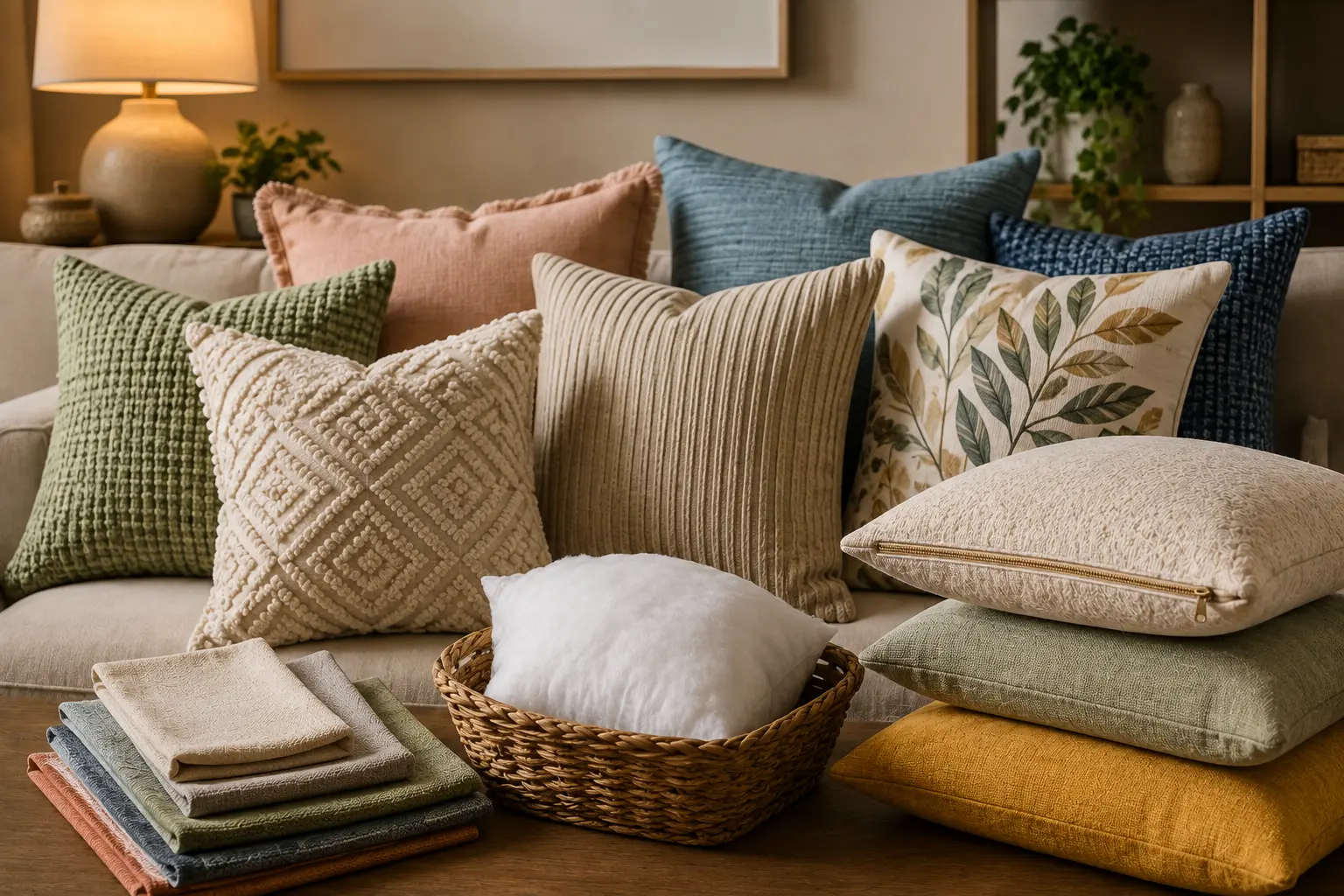

A sofa without cushions looks unfinished, no matter how good the furniture itself is. This cushion cover buying guide covers what actually matters — fabric choice, filling, and how many to use — so your living room feels styled, not just furnished.
The right cushion mix isn’t about matching everything perfectly — it’s about varying texture while keeping one consistent color thread running through. — Shridya Editorial
Table of Contents
Cover vs. Filled Cushion — What’s the Difference?
This is the first thing any cushion cover buying guide should clarify, since retail listings often blur the line. A cushion cover is just the fabric shell, meant to slip over an existing insert you already own. A filled cushion comes complete with its own stuffing, ready to use immediately. If you already have cushion inserts at home, buying covers alone is significantly cheaper and lets you refresh a room’s look without replacing the actual cushions.
Showing 9–12 of 14 results

Jacquard Chenille Cushion Cover Set (16 × 16 Inches, Pack of 5, Star Beige Geometric Design)
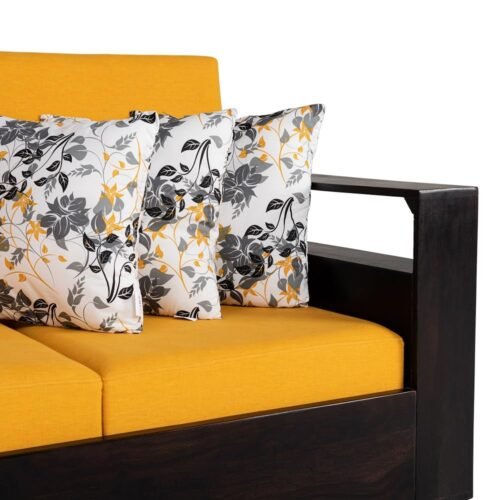
₹599.00Sofa Cushion Set 16 × 16 Inches, Set of 5 Decorative Cushions with Hollow Fibre Filling & Cotton Cover (Autumn Sunset Floral)
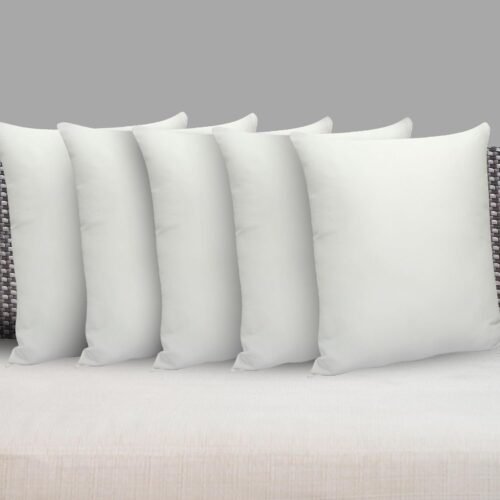
₹730.00Premium Fibre Sofa Cushion Fillers 16 × 16 Inches, Set of 5 Square Cushion Inserts with Polyester Filling (White)
₹796.00Sofa Cushion Set 16 × 16 Inches, Set of 5 Cushions with Hollow Fibre Filling & Microfiber Cover (Dark Teal)
₹928.00


Fabric Choices and What They Signal
Jute cushion covers bring texture and an earthy, natural feel — genuinely well-suited to Shridya’s warm palette, and a strong fit if your living room leans toward a boho or organic aesthetic. Polycotton covers are more affordable and easy to maintain, working well for households wanting variety without a big spend. Chenille and jacquard covers add a more textured, slightly formal finish, suited to living rooms aiming for a more polished look.
Common Mistake: Choosing every cushion cover in the same fabric. A cushion cover buying guide worth following recommends mixing at least two textures (say, one jute, one polycotton) even within a matching color palette — pure uniformity reads as flat rather than considered.
According to general design guidance from established home publications, layering different textures within a consistent color story is one of the most reliable ways to make a room feel intentionally styled rather than randomly assembled.
Filling Types — Comfort vs. Structure
If you’re buying filled cushions rather than covers alone, filling type affects both comfort and how the cushion holds its shape. Microfiber filling is soft, affordable, and widely available, though it compresses over time with regular use. Memory foam filling holds structure longer and offers firmer support, at a higher price point. This distinction matters more than most cushion cover buying guide content mentions, since a cushion that goes flat within months isn’t actually good value regardless of the initial price.
Showing 9–12 of 14 results
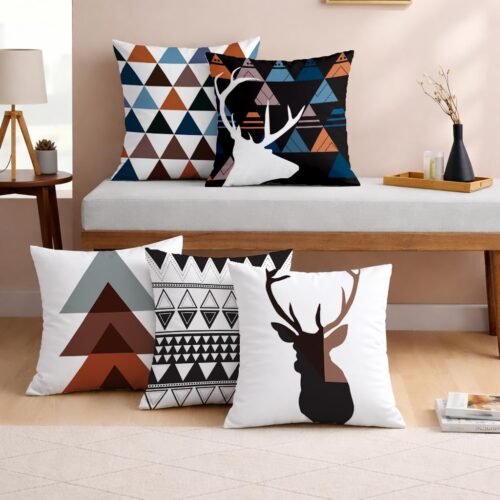
Polycotton Cushion Cover Set (16 × 16 Inches, Pack of 5, Deer & Geometric Print)
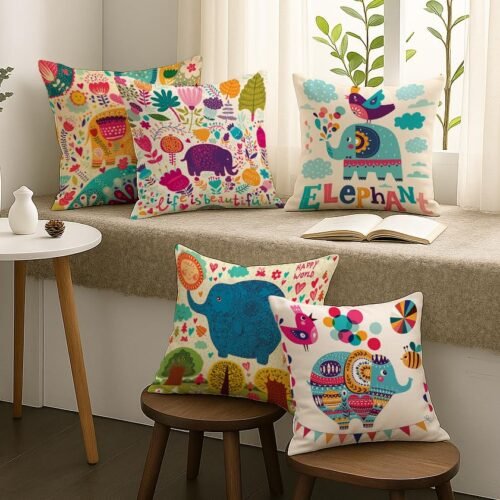
₹399.00Polycotton Cushion Cover Set (16 × 16 Inches, Pack of 5, Multicolor Elephant & Jungle Print)
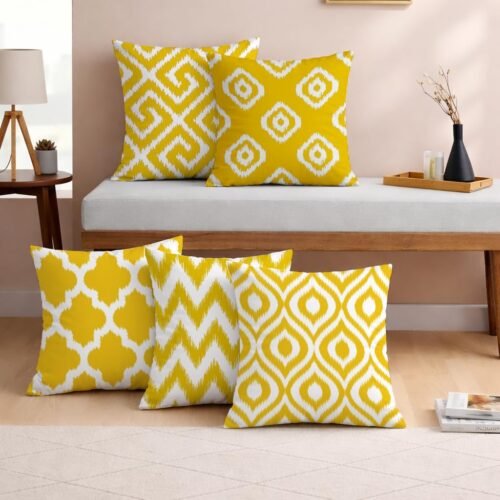
₹346.00Polycotton Cushion Cover Set (16 × 16 Inches, Pack of 5, Yellow & White Geometric Print)
₹469.00Premium Fibre Sofa Cushion Fillers 16 × 16 Inches, Set of 5 Square Cushion Inserts with Polyester Filling (White)
₹796.00
How Many Cushions Is Too Many?
A common styling question this cushion cover buying guide gets asked directly: for a standard 3-seater sofa, 3-5 cushions is a reliable range — enough to feel styled without making the sofa impractical to actually sit on. Odd numbers, similar to wall art groupings covered in our Wall Art Styling Guide, tend to look more natural than a perfectly even count.
Sizing — Standard Dimensions Explained
Most Indian retail cushion covers come in 16×16 inches as the most common size, suited to standard sofa cushions. Larger options (18×18 or bigger) work well as a single statement piece rather than part of a full set. Always check the listed dimensions against your existing inserts before ordering covers alone — a mismatch, even by an inch or two, changes how the cover fits and drapes.
Mixing Patterns Without It Looking Chaotic
The safest approach any cushion cover buying guide can offer: pick one dominant pattern (florals, geometric, tribal), then pair it with one or two solid or subtly textured covers rather than multiple competing prints. This keeps the arrangement visually interesting without becoming busy — a principle that applies whether you’re working with jute, cotton, or a mixed set.
Quick Checklist
- Do you need covers alone or filled cushions with inserts included?
- Have you mixed at least two textures within your palette?
- Does the filling type match how much daily use the cushions will get?
- Are you working within the 3-5 cushion range for a standard sofa?
- Have you checked exact dimensions against your existing inserts?
Key Takeaways
- A good cushion cover buying guide starts with cover-vs-filled, since it changes the cost significantly.
- Mixing textures within one color palette looks more intentional than matching everything.
- Filling type affects long-term comfort and shape retention, not just initial softness.
- 3-5 cushions with an odd count generally looks more natural on a standard sofa.
Every product mentioned here is personally checked by Shridya — for quality, real reviews, and honest value — before it earns a place on this site.
Conclusion
Following a proper cushion cover buying guide means thinking beyond just color — fabric texture, filling type, and count all shape how finished a living room actually feels. Mix textures within one palette, stay within a sensible cushion count, and check dimensions carefully before you order. For more on tying a full living room together, see our Room-by-Room Home Decor Guide.
FAQs
How many cushions should I put on a sofa?
For a standard 3-seater sofa, 3-5 cushions is a reliable range — enough to feel styled without making the sofa impractical to sit on.
What’s the difference between a cushion cover and a filled cushion?
A cover is just the fabric shell meant to fit an existing insert, while a filled cushion comes complete with its own stuffing.
Is jute or cotton better for cushion covers?
Jute offers more texture and an earthy feel, while cotton or polycotton is more affordable and easier to maintain — the right choice depends on your room’s style.