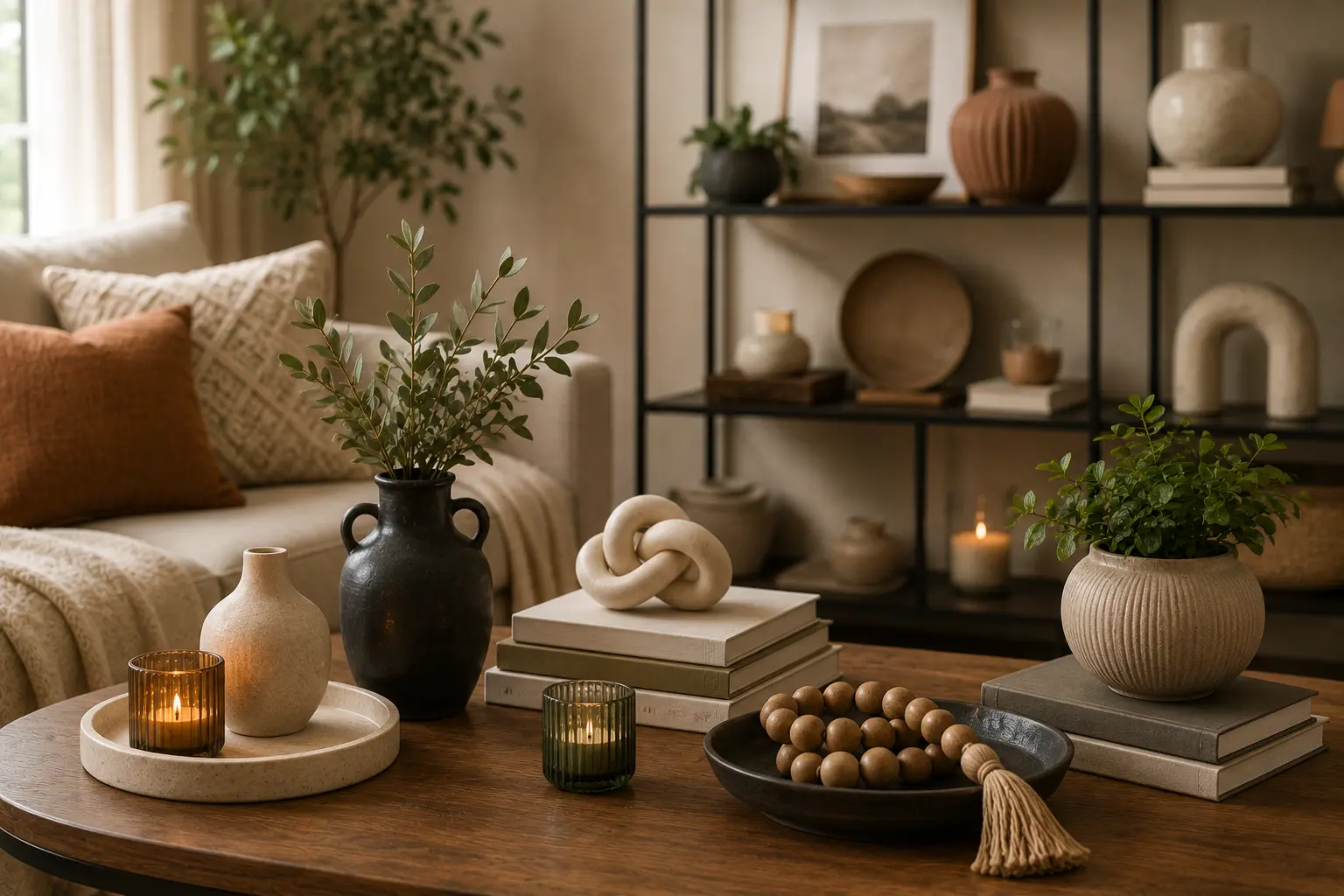

A shelf covered in objects with no logic to their arrangement reads as clutter, no matter how nice each individual piece is. This decor objects styling guide focuses on the actual technique behind a shelf or coffee table that looks curated — grouping, scale variation, and knowing when to leave space empty.
The empty space around a decor object matters as much as the object itself. A shelf that’s too full has nowhere for the eye to rest. — Shridya Editorial
Table of Contents
The Rule of Three (and When to Break It)
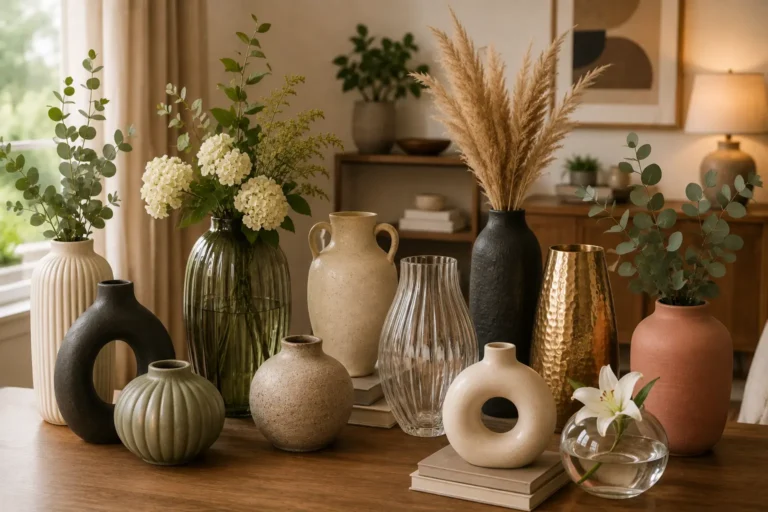
A foundational principle in any decor objects styling guide: group items in odd numbers, typically three, since odd groupings read as more visually balanced than even ones. A trio might combine one taller piece, one medium object, and one small accent — variety in height within the group, not three similar-sized items lined up evenly.
Showing 1–4 of 21 results

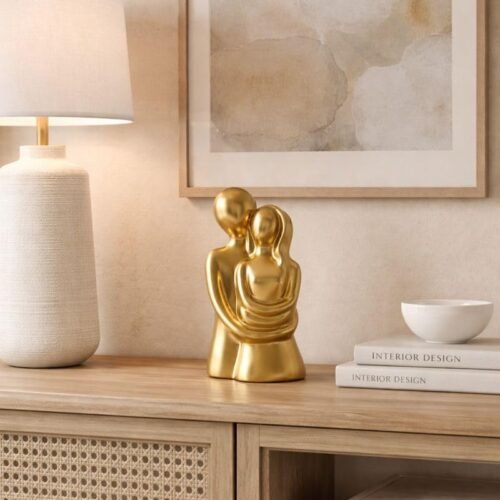
Hugging Couple Sculpture
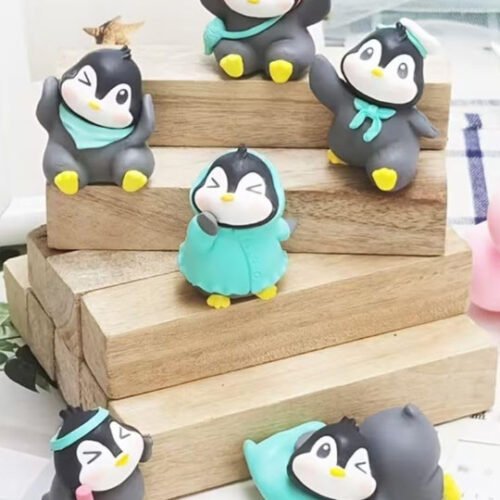
₹298.00Mini Penguin Figurines (Set of 6)
₹359.00Romantic Love Couple Statue
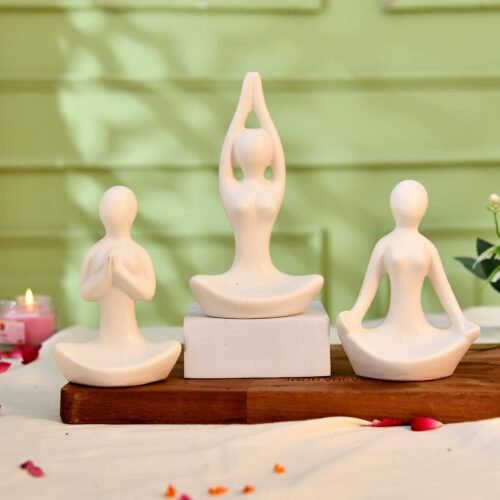
₹394.00Lady Yoga Figurine Set of 3
₹399.00

That said, this decor objects styling guide treats the rule of three as a starting point, not a rigid law — a single striking statement piece, styled alone with generous space around it, can work just as well as a grouped trio, particularly on a smaller surface.
Varying Height and Scale
Common Mistake: Placing several similarly-sized objects next to each other without any height variation. This decor objects styling guide recommends stacking one element (a small book, a tray) beneath a shorter piece specifically to create height difference within a grouping, rather than relying only on the objects’ natural sizes.
According to general styling guidance from established home publications, visual triangles created through varied height groupings are one of the most consistently recommended techniques for shelf or tabletop styling, across nearly every design tradition.
Negative Space — Why Empty Areas Matter
A shelf doesn’t need to be filled edge to edge to look complete — in fact, this decor objects styling guide would argue the opposite is usually true. Leaving roughly a third of any surface genuinely empty gives the eye somewhere to rest and makes the styled objects feel more intentional rather than crammed in to use up available space.
Showing 1–4 of 21 results
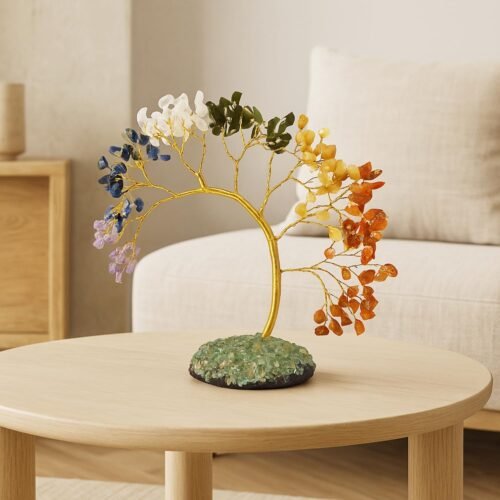

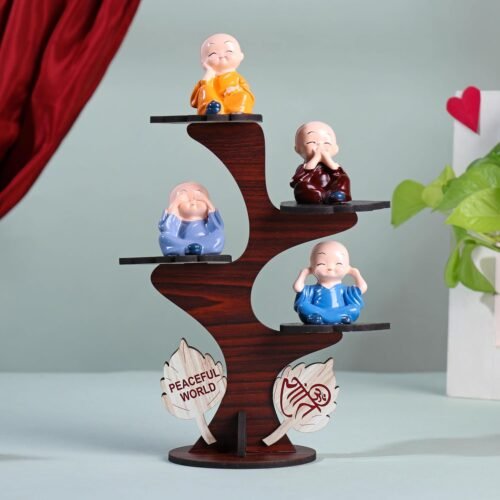
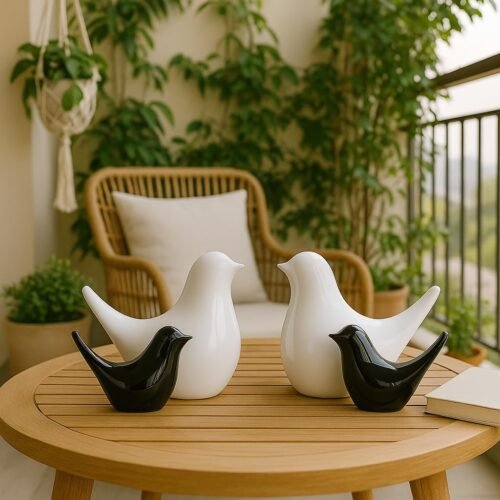
Mixing Materials and Textures
Combining a metal figurine, a wooden bowl, and a ceramic vase within one grouping adds visual interest that a single-material collection can’t achieve on its own. This decor objects styling guide generally recommends at least two different materials per grouping, tied together by a consistent color palette rather than matching finishes.
Styling a Coffee Table vs. a Shelf
A coffee table generally works best with fewer, larger objects since it’s viewed from above and the side simultaneously, unlike a shelf viewed mostly straight-on. A tray anchoring a small grouping on a coffee table also adds a practical boundary, keeping objects from looking scattered across the surface — a technique this decor objects styling guide considers genuinely underused.
Choosing a Focal Piece
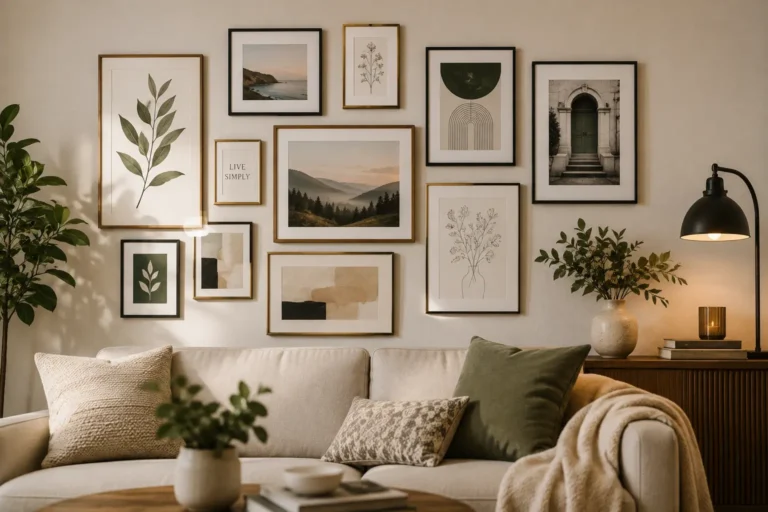
Every grouping benefits from one piece that draws the eye first — often the tallest, most textured, or most visually distinct object in the arrangement. Everything else in the grouping should support that piece rather than compete with it, echoing the same focal-point principle covered in our Wall Art Styling Guide for hanging pieces.
Quick Checklist
- Are your objects grouped in odd numbers, ideally three?
- Is there genuine height variation within each grouping?
- Have you left at least some visible empty space, not filled every inch?
- Does the grouping mix at least two materials or textures?
- Is there one clear focal piece anchoring each arrangement?
Key Takeaways
- A good decor objects styling guide relies on odd-numbered groupings with varied height.
- Negative space matters as much as the objects themselves for a curated look.
- Mixing materials within a consistent palette adds interest without chaos.
- A coffee table needs fewer, larger pieces than a shelf viewed straight-on.
Every product mentioned here is personally checked by Shridya — for quality, real reviews, and honest value — before it earns a place on this site.
Conclusion
A decor objects styling guide really comes down to restraint — fewer, better-chosen pieces, grouped with intention and given room to breathe, beat a shelf crowded with everything you own. Start with one grouping, apply the height-and-odd-number principle, and resist the urge to fill every remaining gap. For more on arranging pieces with the same logic on walls, see our Wall Art Styling Guide.
FAQs
How many decor objects should be grouped together?
Odd numbers, typically three, tend to look more visually balanced than even groupings.
Should a shelf be completely filled with decor objects?
No — leaving roughly a third of the surface empty makes a styled arrangement feel more intentional rather than cluttered.
Can I mix different materials in one decor grouping?
Yes, combining materials like metal, wood, and ceramic adds visual interest, as long as they’re tied together by a consistent colour palette.