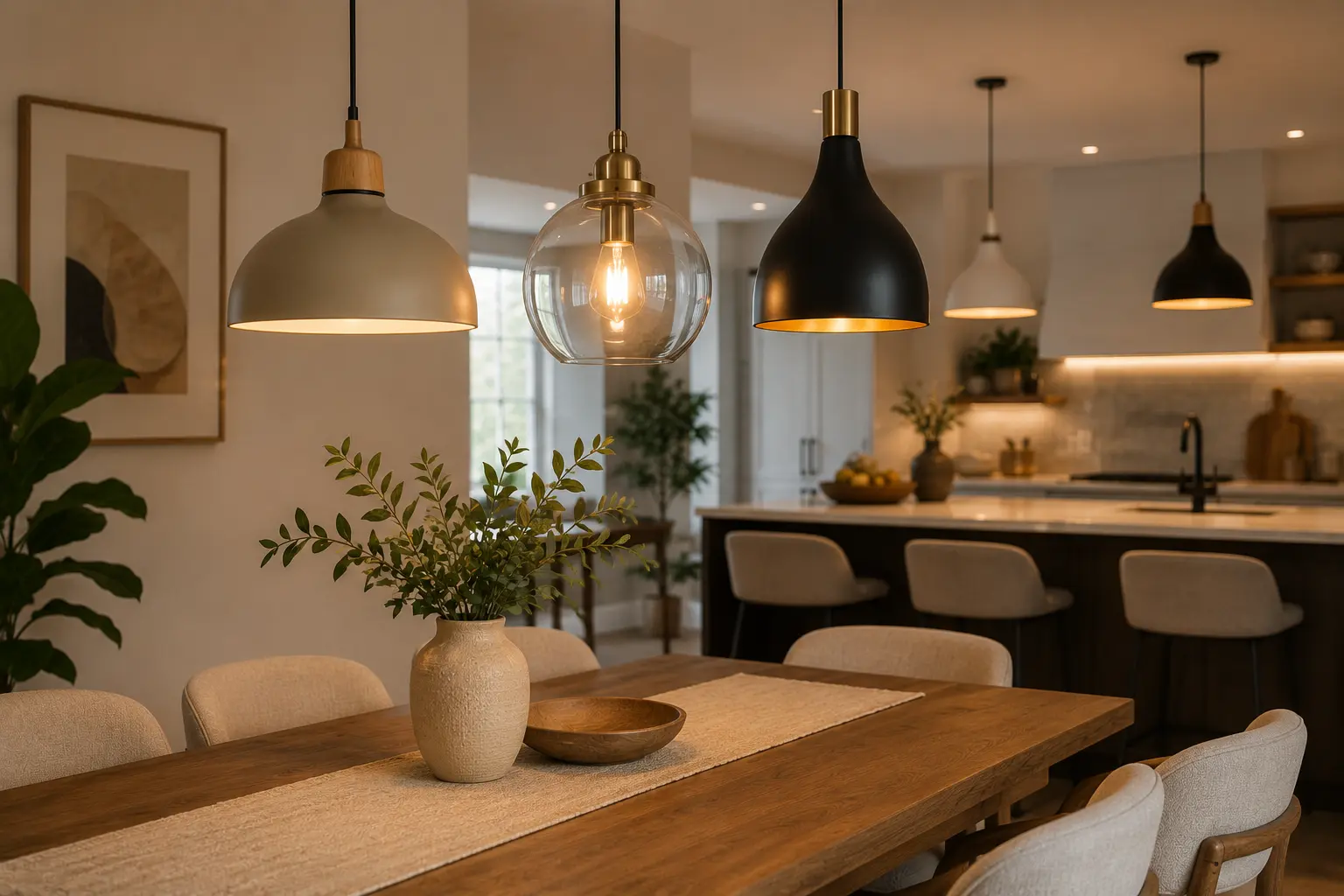

A pendant light hung at the wrong height undoes the entire fixture, no matter how striking the design itself is. This pendant light buying guide focuses on the details that actually determine whether a pendant reads as a statement piece or an awkward afterthought — hanging height, sizing, and matching style to the space.
A beautiful pendant hung too high just looks like it floated away from the table. Height matters more than the fixture itself. — Shridya Editorial
Table of Contents
Hanging Height — The Most Important Number
Any pendant light buying guide worth following leads with this: a pendant above a dining table should typically hang 30-36 inches above the tabletop surface, adjusted based on ceiling height. For higher ceilings (above 9 feet), add roughly 3 inches for every additional foot of ceiling height beyond the standard 8 feet. Too low, and it interferes with sightlines across the table; too high, and it loses its intended visual and functional impact entirely.
Showing 1–4 of 8 results
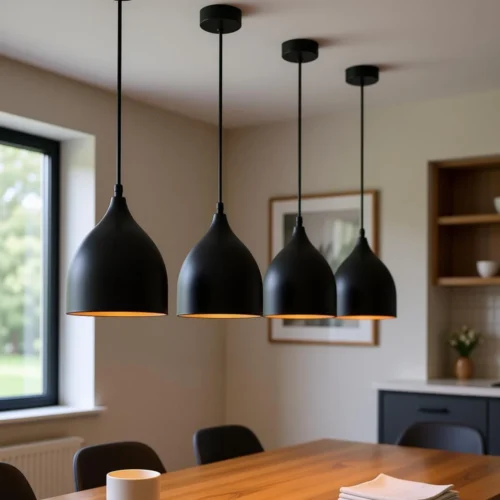
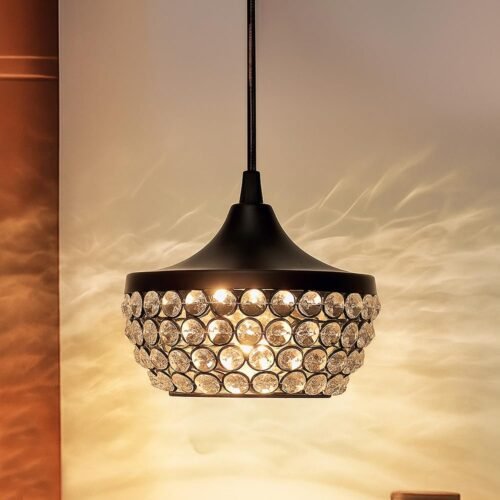
Single Pendant vs. Multiple Fixtures
Common Mistake: Hanging one large pendant off-center over a long dining table, leaving one end poorly lit. For tables longer than roughly 6 feet, this pendant light buying guide recommends two or three smaller matching pendants spaced evenly, rather than a single oversized fixture stretched to cover the whole length. For smaller tables or a console, one well-chosen pendant is usually sufficient and creates a cleaner focal point.
Pendant vs. Chandelier — What’s the Real Difference?
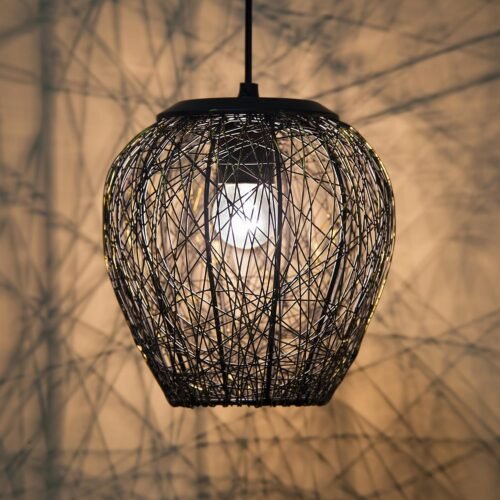
The line has blurred in modern retail, but traditionally a chandelier refers to a multi-arm fixture with several light sources branching outward, while a pendant is typically a single fixture hanging from one cord or chain. This pendant light buying guide treats wire-mesh or wooden-cluster style fixtures as a modern middle ground — visually closer to a chandelier’s presence but installed and sized more like a pendant.
Showing 1–4 of 8 results
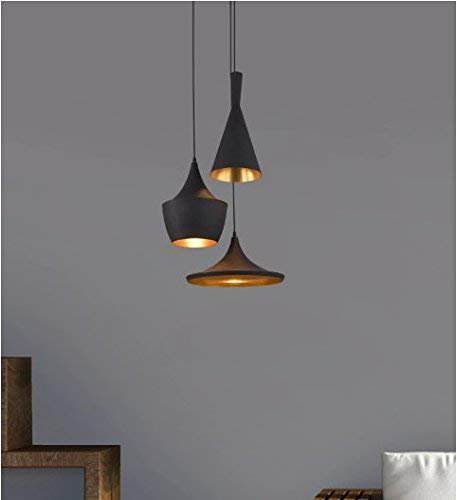
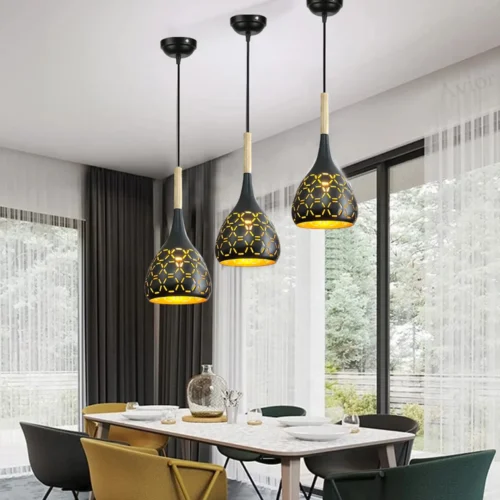
According to general lighting guidance from established design publications, a dining or entryway fixture’s visual scale should generally match the size of the furniture or space beneath it rather than being chosen for the fixture’s individual appeal alone.
Sizing to Your Table or Space
As a rough rule this pendant light buying guide relies on, a single pendant’s diameter should measure roughly 12 inches less than the width of the table it hangs above, keeping it proportionate rather than overwhelming or lost. For a console or entryway, a smaller-diameter pendant generally works better, since the surface below has less visual weight to balance against.
Material and Style Considerations
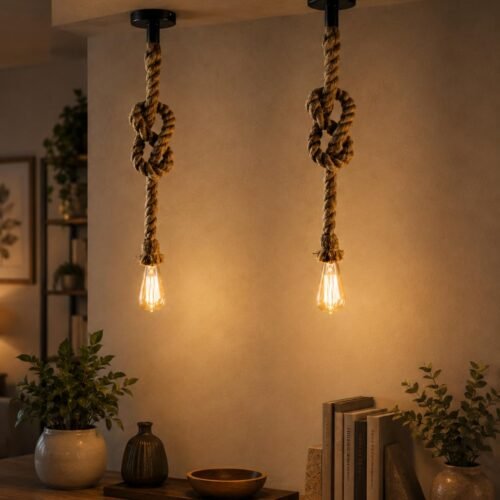
Rustic rope and wooden-cluster pendants suit Shridya’s warm, earthy palette particularly well, working naturally alongside the material choices covered throughout our guides. Crystal and metal-finish pendants suit a more formal, polished dining space. Wire-mesh designs sit in between, offering texture and visual interest without a heavier, more traditional chandelier presence.
Wiring and Installation Notes
Most pendant fixtures require either an existing ceiling electrical point or professional installation to add one — this is genuinely worth confirming before purchase, since it affects both cost and timeline beyond the fixture itself. A pendant light buying guide would be incomplete without flagging this: budget for installation separately from the fixture price if your ceiling doesn’t already have a wired point in the right location.
Quick Checklist
- Have you measured the correct hanging height for your ceiling and table?
- Does a long table need multiple smaller pendants instead of one large fixture?
- Is the pendant’s diameter proportionate to the table or surface below?
- Does the style suit your room’s existing palette and formality level?
- Do you have an existing wired ceiling point, or is installation needed?
Key Takeaways
- A good pendant light buying guide starts with hanging height, the most commonly misjudged detail.
- Long tables generally need multiple smaller pendants rather than one oversized fixture.
- Fixture diameter should stay roughly proportionate to the table width below it.
- Confirm wiring and installation needs before purchase, not after.
Every product mentioned here is personally checked by Shridya — for quality, real reviews, and honest value — before it earns a place on this site.
Conclusion
A pendant light buying guide really comes down to getting height and proportion right before style even enters the decision — a well-chosen fixture hung at the wrong height still looks off, while a modest fixture hung correctly reads as intentional. Measure first, then choose a style that suits your space’s formality and palette. For more on layering lighting throughout a room, see our Floor Lamp Buying Guide.
FAQs
How high should a pendant light hang above a dining table?
Typically 30-36 inches above the tabletop, adjusted upward for ceilings taller than the standard 8 feet.
Should I use one pendant or multiple over a dining table?
For tables longer than about 6 feet, two or three smaller matching pendants spaced evenly generally work better than one oversized fixture.
What’s the difference between a pendant light and a chandelier?
A chandelier traditionally has multiple arms and light sources branching outward, while a pendant is typically a single fixture on one cord or chain.