
Most people have hundreds of photos sitting untouched in a phone gallery and not a single one displayed anywhere in their home. This photo frame buying guide exists because printed, framed photos genuinely change how personal a room feels — but only if the frames themselves are chosen with a bit of thought, not grabbed at random from whatever’s cheapest.
A room full of art can still feel impersonal. A single framed photo of people you love does something a painting never will. — Shridya Editorial
Table of Contents
Single Frames vs. Collage Sets
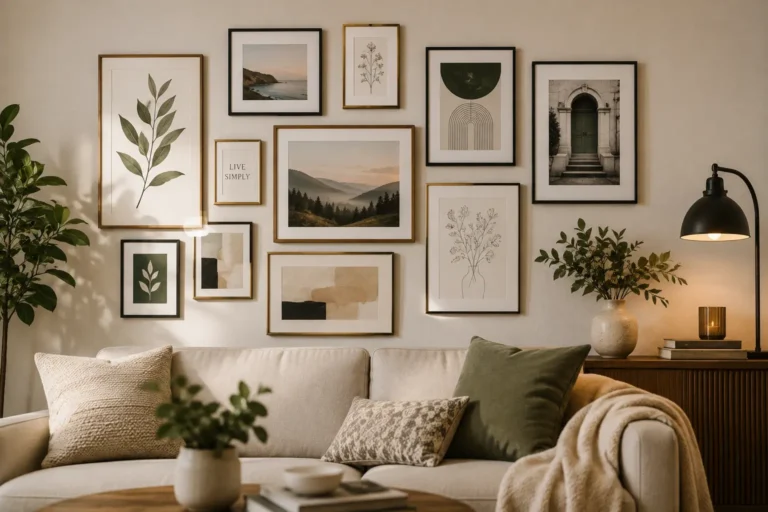
The first real decision in any photo frame buying guide is whether you want one strong statement frame or a multi-piece collage set. A single large frame works well for one meaningful photo — a wedding portrait, a family shot — where the image itself deserves full attention without competition. Collage sets, on the other hand, suit people who want to tell a broader story across a wall: childhood photos, travel shots, a mix of moments rather than one.
Neither is objectively better — it depends on whether the room’s personality comes from one strong image or an accumulated collection. Smaller bedrooms often work better with a single anchor frame, since a full gallery wall of frames can feel visually heavy in a compact space, something we touched on in our Wall Art Styling Guide as well.
Choosing the Right Size
Photo frame sizing follows the same wall-proportion logic as wall art generally — the frame or arrangement should feel proportionate to the wall or surface it sits on, not lost in empty space or overcrowding a small console table. Standard sizes like 4×6, 5×7, and 8×8 inches suit most personal photos without needing custom printing, while A4-sized frames work well for a single statement piece meant to be noticed from across the room.
Here’s a genuinely useful trick this photo frame buying guide relies on: lay your chosen frames out on the floor first in your intended arrangement before hanging anything. It sounds obvious, but skipping this step is the single most common reason people end up with lopsided or awkwardly spaced walls.
A range worth browsing for different size needs:
Showing 17–19 of 19 results

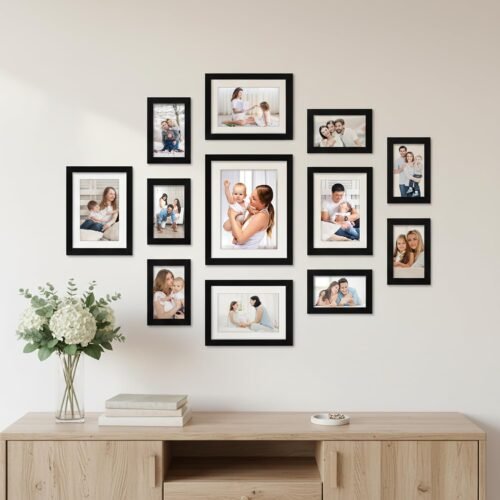
Wall Photo Frame Set of 12 | Mixed Size Black Gallery Frames (4×6, 6×8 & 8×10 Inch)
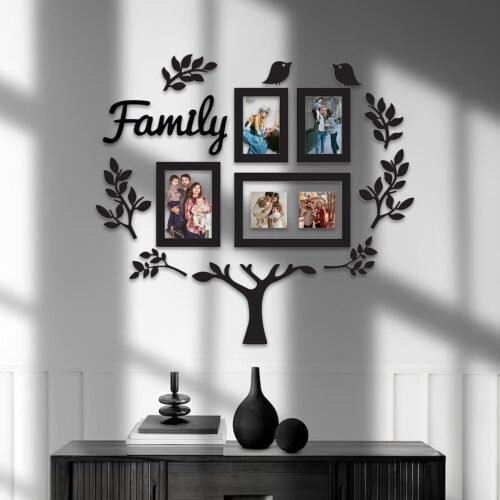
₹797.00Family Tree Wall Photo Frame | MDF Family Picture Collage with 4 Photo Frames (4×6, 5×7 & 6×10 Inch)
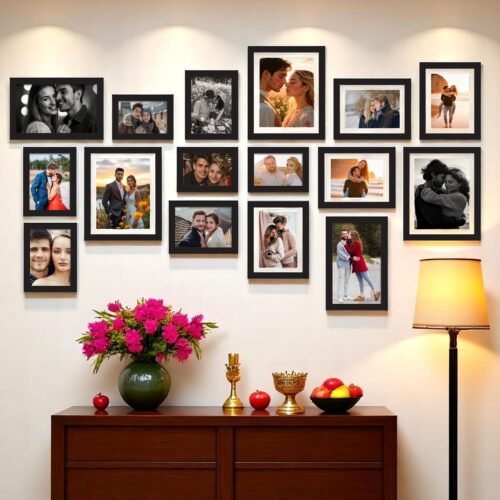
₹849.00Shooting Star Wall Photo Frame Set of 16 | Mixed Size Black Gallery Frames (4×6, 5×7, 6×10, 6×8 & 8×10 Inch)
₹1,398.00
Material and Finish
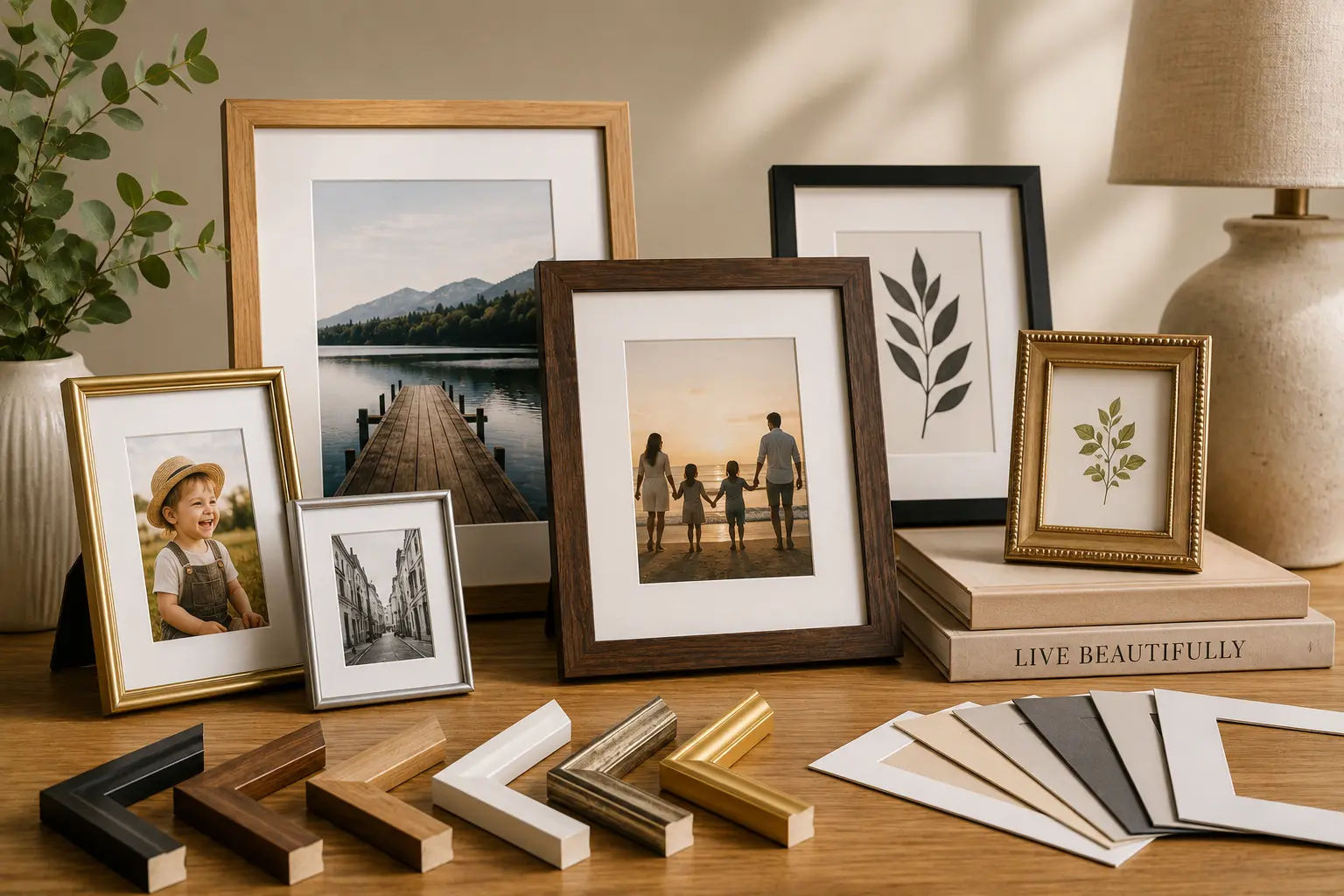
Frames generally come in wood, engineered wood (MDF), metal, or acrylic, and the choice affects both durability and how the frame reads visually. Wood and MDF frames pair naturally with Shridya’s warm, earthy palette and tend to feel more substantial; metal frames (particularly in black or gold) suit a more contemporary look; acrylic keeps things minimal and nearly invisible, letting the photo itself carry all the attention.
Common Mistake: Buying frames in a mix of finishes without checking whether they’re meant to sit together. A grouped arrangement generally looks more intentional when finishes are consistent (all black, all wood-tone) even if the frame sizes and shapes vary — mismatched finishes read as accidental rather than eclectic.
Table Frames vs. Wall Frames
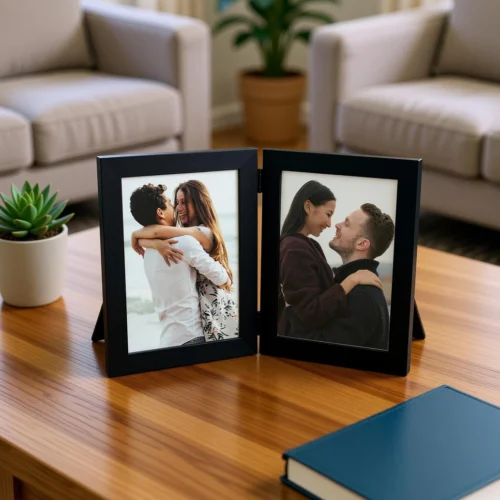
Not every frame needs to go on a wall. Table or shelf frames — smaller, often with an easel-style stand — work well on a nightstand, console, or bookshelf, and they’re a lower-commitment way to display photos without drilling anything. A photo frame buying guide worth following should always weigh wall space against table space realistically, especially in smaller homes where console or shelf surfaces might already be limited.
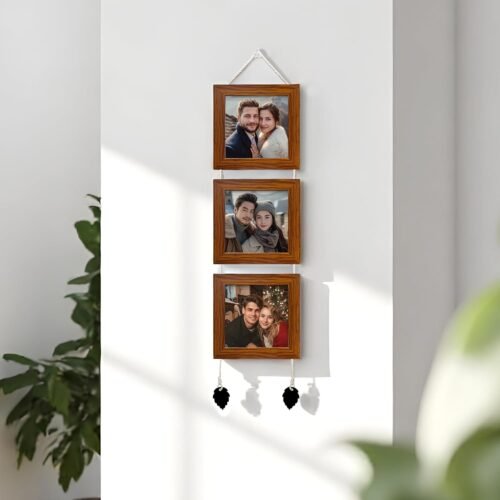
For a quick way to compare a few table-friendly options against wall-oriented sets side by side:
Showing 17–19 of 19 results
Arranging Multiple Frames Together
If you’re going the collage route, groupings generally look more cohesive with an odd number of frames (3, 5, or 7) rather than even numbers, and varying the sizes slightly within the group avoids a too-uniform, catalog-like look. Keep spacing consistent — the same 2-3 inch gap principle from wall art arrangement applies directly here too.
According to general design guidance, staggered, asymmetric groupings tend to photograph and read better in real rooms than perfectly symmetrical grids, which is worth keeping in mind if you’re arranging more than three or four frames together.
A Quick Word on Glass vs. Acrylic
Glass-fronted frames give a slightly more premium, clear finish but carry breakage risk, particularly in homes with young children or pets. Acrylic fronts are lighter and safer but can show more visible scratching over time. For a nightstand or low-traffic shelf, glass is generally fine; for anything at floor level or in a high-traffic hallway, acrylic tends to be the more practical pick. This is exactly the kind of small, practical detail a good photo frame buying guide should cover, not just sizing and style.
Quick Checklist
- Single statement frame or a multi-piece collage — which suits your wall and personality?
- Have you checked proportions against the actual wall or surface size?
- Are your frame finishes consistent within a grouped arrangement?
- Wall-mounted or table-standing — which suits the specific spot you have in mind?
- Odd-numbered groupings with slightly varied sizes for a more natural collage look?
Key Takeaways
- A good photo frame buying guide starts with single-vs-collage, not size or material.
- Standard sizes (4×6, 5×7, 8×8) cover most personal photo needs without custom printing.
- Consistent finish matters more than matching frame shapes in a grouped display.
- Odd-numbered, slightly varied groupings generally look more natural than uniform grids.
Every product mentioned here is personally checked by Shridya — for quality, real reviews, and honest value — before it earns a place on this site.
Conclusion
Following a proper photo frame buying guide before you shop turns a pile of unused digital photos into something that actually makes a room feel like yours. Decide on single versus collage first, keep finishes consistent, and take the extra five minutes to lay frames out before hanging — the small decisions matter more here than the frames themselves. For more on arranging pieces on a wall generally, our Wall Art Styling Guide covers the same spacing principles in more depth.
FAQs
Should I choose a single photo frame or a collage set?
It depends on the wall and the photo. A single large frame suits one meaningful image; a collage set works better for telling a broader story across several photos.
What’s the best material for photo frames?
Wood or MDF suits a warm, earthy look; metal suits contemporary spaces; acrylic keeps things minimal and lets the photo stand out.
How many frames should I group together?
Odd numbers (3, 5, or 7) with slightly varied sizes generally look more natural than even, uniform groupings.