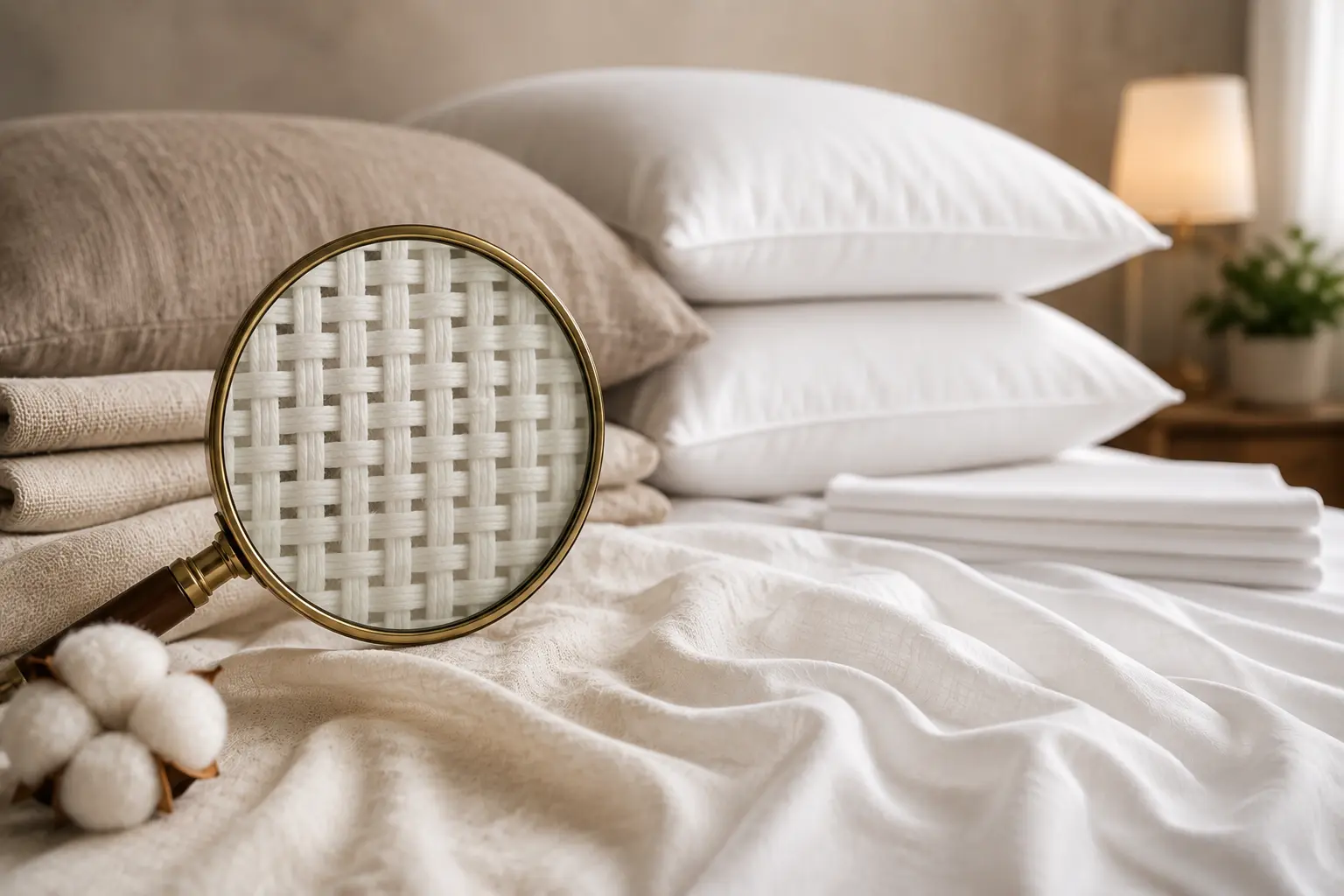

“400 thread count” sounds like a guarantee of quality, but it’s one of the most misunderstood numbers in bedding. This guide has thread count explained plainly, without the marketing language that usually surrounds it, so you can actually judge a bedsheet by something more reliable than a big number on the packaging.
Thread count alone tells you almost nothing about weave quality or fibre grade — two sheets with the same number can feel completely different. — Shridya Editorial
Table of Contents
What Thread Count Actually Measures
With thread count explained at its simplest: it’s the number of threads woven into one square inch of fabric, combining both the horizontal (weft) and vertical (warp) threads. A 200 TC sheet has roughly 200 threads per square inch. That’s it — it says nothing about the fibre quality, the weave pattern, or how the fabric will actually feel.
Showing 13–16 of 18 results

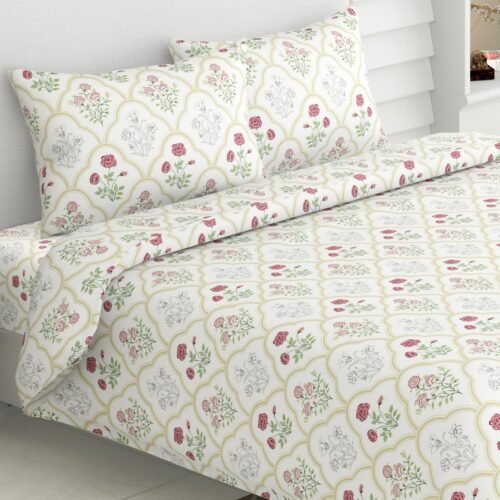
144 TC Cotton Double Bedsheet with 2 Pillow Covers (Petal Veil, Queen Size)
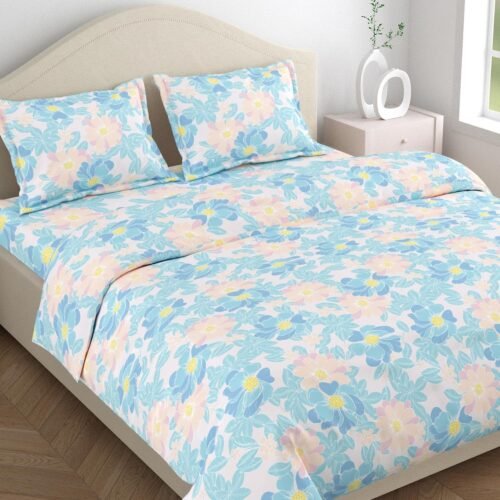
₹999.00186 TC Cotton Double Bedsheet with 2 Pillow Covers (Floral Grace Blue, Queen Size)
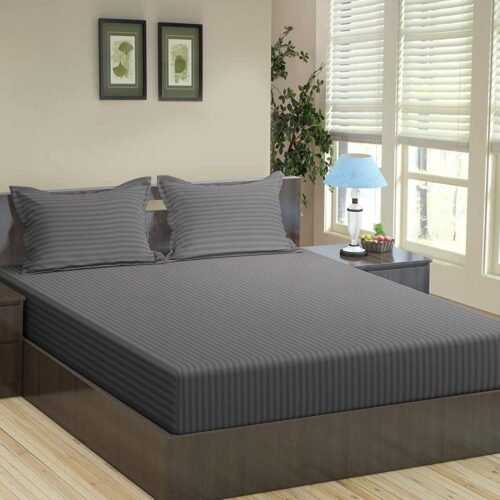
₹1,099.00100% Cotton Fitted Bedsheet with 2 Pillow Covers (200 TC, Dark Grey)
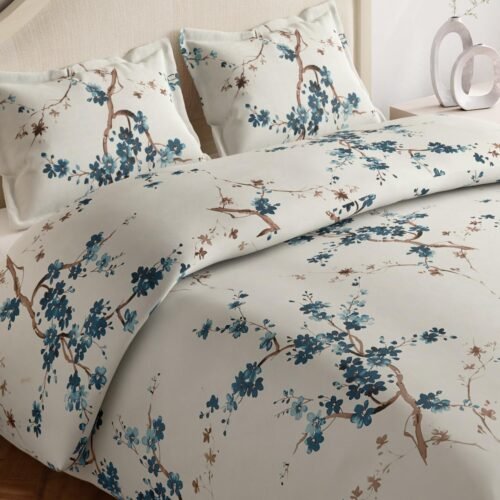
₹1,189.00186 TC Cotton King Size Bedsheet with 2 Pillow Covers (Rose Serenity)
₹1,299.00
Why Higher Isn’t Always Better
This is the part most retail listings skip, and it’s the core of getting thread count explained honestly. Above roughly 400-500 TC, manufacturers often have to use thinner, weaker threads or multi-ply yarns twisted together to physically fit more threads into the same square inch — which can actually make a fabric feel less durable, not more luxurious, despite the higher number.
According to general textile industry guidance, the U.S. Federal Trade Commission has previously flagged inflated and misleading thread count claims as a real issue in the bedding industry, not just an Indian retail quirk — this is a global labeling problem, worth knowing before you assume a bigger number always means better.
What Actually Determines Comfort
To have thread count explained fully, you need to look past the number itself.
Common Mistake: Choosing a sheet based on thread count alone while ignoring fibre type and weave. while ignoring fibre type and weave. A 300 TC sheet made from long-staple cotton with a smooth sateen weave will usually outperform a 600 TC sheet made from short, weaker fibres.
Three things matter more than the raw number:
| Factor | Why It Matters |
|---|---|
| Fibre length (staple) | Longer fibres create smoother, more durable fabric |
| Weave type | Sateen feels silkier; percale feels crisper and cooler |
| Ply count | Single-ply is generally stronger than multi-ply of the same TC |
The Sweet Spot for Indian Homes
For most everyday use, 144-200 TC in 100% cotton offers the best real-world balance of comfort, durability, and price in the Indian market. This range avoids the inflated multi-ply tricks used to hit higher numbers, while still delivering a genuinely soft, breathable feel — something our full Bedsheet Buying Guide …covers in more depth alongside sizing and material choices — the same principles that make sense of thread count explained across every bedsheet decision, not just this one.
Showing 13–16 of 18 results
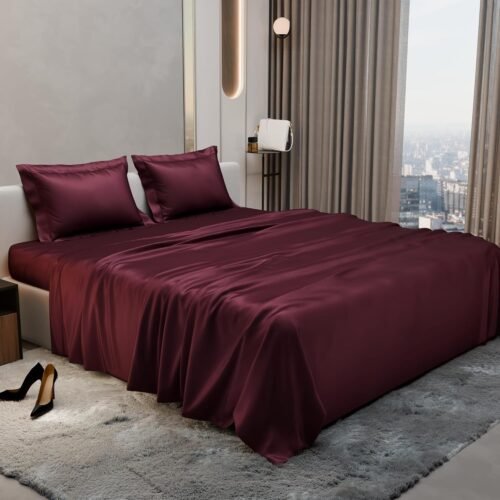
Cotton Double Bedsheet with 2 Pillow Covers (90 × 100 Inches, Floral Print)
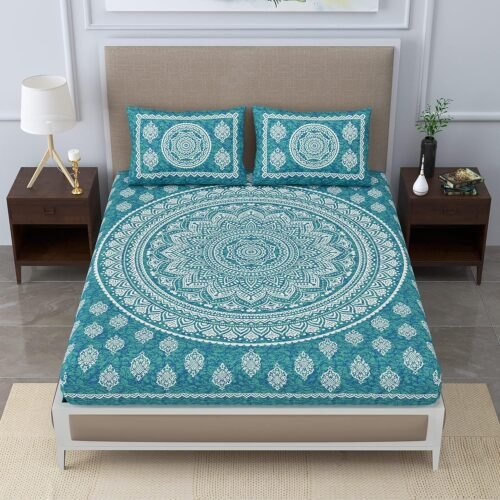
₹1,763.00Jaipuri Mandala Cotton Blend Double Bedsheet with 2 Pillow Covers (120 TC, Sea Green)
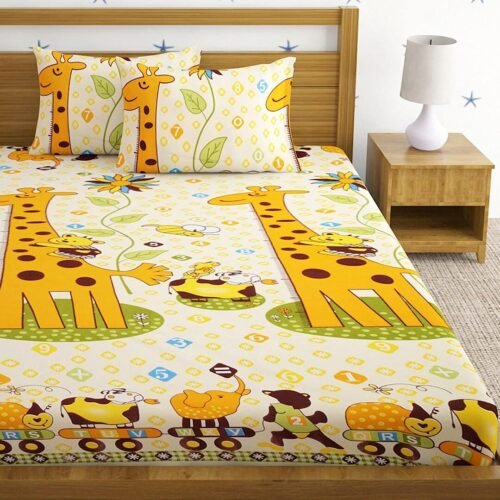
₹399.00Kids Microfiber Double Bedsheet with 2 Pillow Covers (Giraffe Print, Yellow)
₹399.00King Size Microfiber Floral Bedsheet with 2 Pillow Covers (210 TC, Off White & Red)
₹848.00
How Manufacturers Inflate the Number
Some brands count each individual strand in a multi-ply twisted thread separately, effectively doubling or tripling the displayed thread count without genuinely improving the fabric. With thread count explained this way, it becomes clear why a “1000 TC” sheet at an unusually low price is a red flag, not a bargain — genuine high-thread-count cotton at that density is expensive to produce.
Quick Checklist
Now that thread count is explained, use this checklist before your next purchase:
- Have you checked the fibre type, not just the thread count number?
- Is the price reasonable for the claimed thread count, or suspiciously low?
- Have you considered weave type (sateen vs. percale) based on your preference?
- Are you choosing 100% cotton over blends where possible, per our Cotton vs. Blended guide?
Key Takeaways
- With thread count explained properly, it’s clear the number alone doesn’t determine quality.
- Fibre length, weave, and ply count matter more than the raw figure.
- 144-200 TC in 100% cotton is a reliable, honest range for most Indian homes.
- Unusually high thread counts at low prices are often inflated through multi-ply counting.
Every product mentioned here is personally checked by Shridya — for quality, real reviews, and honest value — before it earns a place on this site.
Conclusion
Now that thread count is explained without the marketing spin, the real takeaway is simple: stop shopping by number alone. Check the fibre, the weave, and the price relative to the claim, and you’ll end up with a genuinely better bedsheet than someone chasing the highest thread count on the label. For the full buying process, our Bedsheet Buying Guide walks through sizing and material choices in more detail.
FAQs
Is a higher thread count always better?
With thread count explained properly: no, higher isn’t always better. Above roughly 400-500 TC…, manufacturers often use thinner or multi-ply threads to inflate the number, which can reduce durability rather than improve comfort.
What thread count is best for everyday use?
144-200 TC in 100% cotton offers a reliable balance of comfort, durability, and price for most households.
How do brands inflate thread count numbers?
Some count each strand in a multi-ply twisted thread separately, artificially raising the displayed number without improving fabric quality.