
A vase is one of the few decor pieces that works equally well empty or filled, but only if it’s chosen with that flexibility in mind. This vase buying guide covers size, material, and styling approaches, so whatever you put in it (or don’t) actually looks intentional.
A genuinely good vase should look complete standing alone, empty, on a shelf. Flowers should be a bonus, not a requirement. — Shridya Editorial
Table of Contents
Ceramic vs. Glass vs. Metal
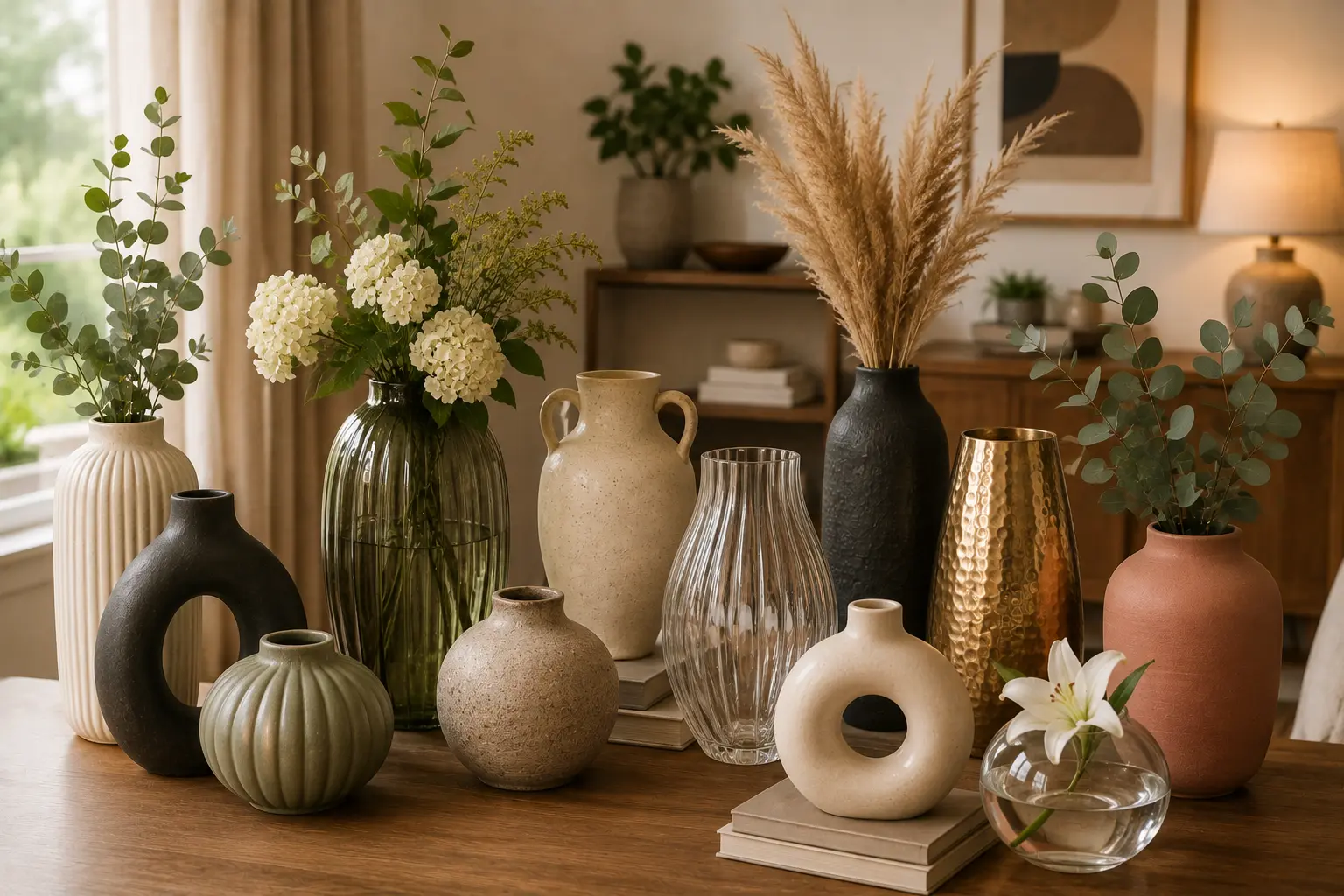
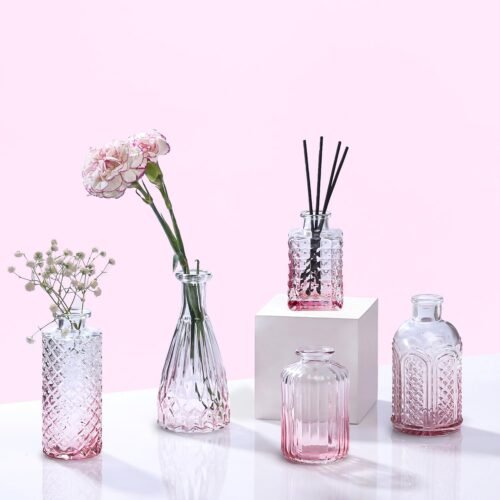
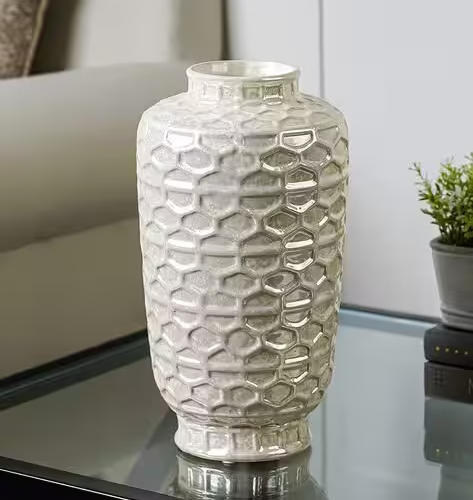
Every vase buying guide should start with material, since it affects both look and practicality. Ceramic vases bring warmth and texture, pairing well with Shridya’s earthy palette, and hide water discoloration better than glass over time. Glass vases show water and stems clearly, working well for fresh-cut arrangements where the stems themselves add visual interest. Metal vases (brass, iron) suit a more textured, sculptural role, often used empty or with dried elements rather than fresh flowers.
Showing 17–19 of 19 results
Sizing for Different Surfaces
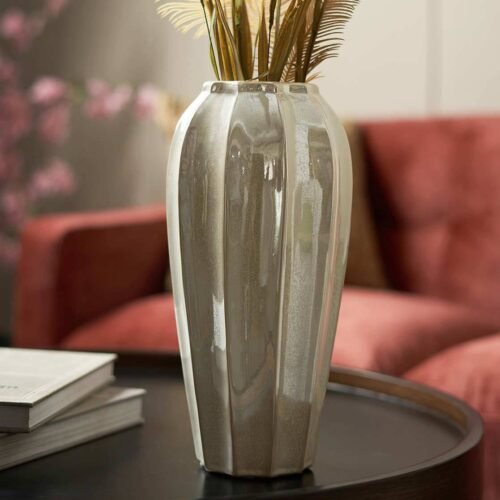
Common Mistake: Buying a tall, dramatic vase for a small side table where it visually overwhelms everything nearby. As a general rule this vase buying guide follows, a coffee table or side table suits shorter vases (8-14 inches), while a floor-standing vase (20 inches or taller) works better in an empty corner or beside furniture, not on top of it.
According to general styling guidance from established home publications, vase height should generally stay proportionate to the surface and surrounding objects it’s placed among, rather than being chosen purely for individual visual impact.
Styling a Vase Without Flowers
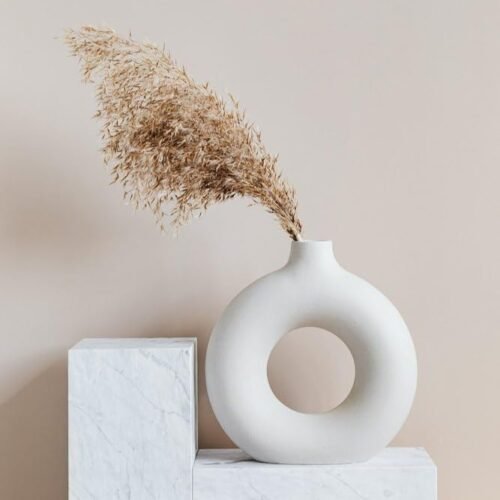
Fresh flowers aren’t a requirement — dried branches, pampas grass, or even an empty, sculptural vase can work as a complete styling choice on its own. This vase buying guide considers this genuinely practical, since fresh flowers need regular replacement, while dried elements or an empty vase require zero ongoing maintenance and still add real visual interest.
Showing 17–19 of 19 results
Grouping Multiple Vases Together
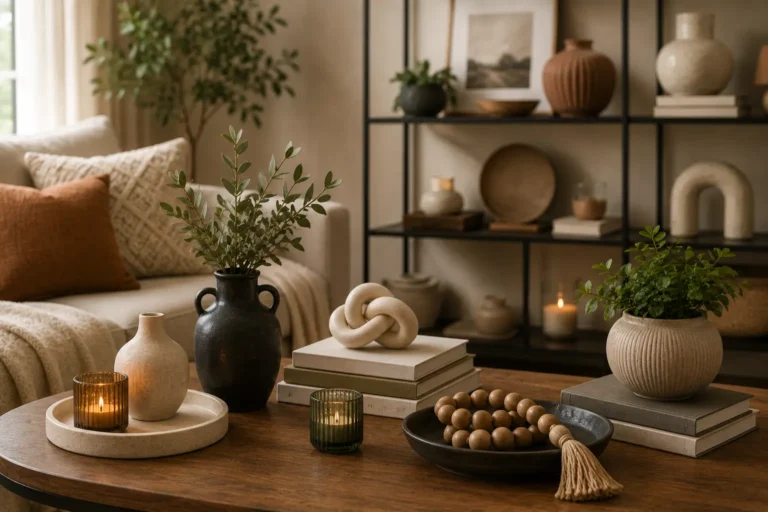
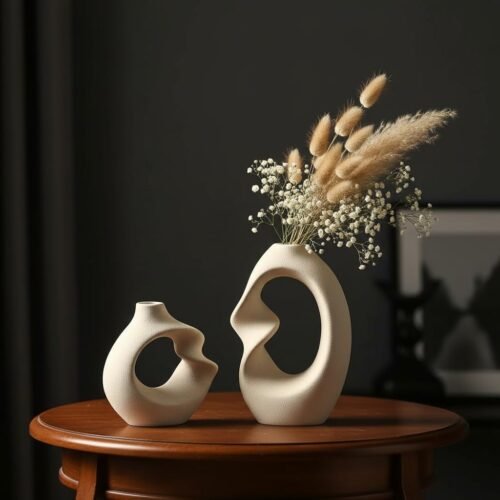
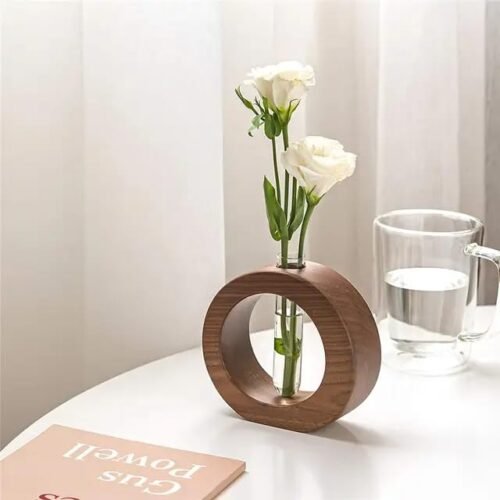
Similar to the odd-number grouping principle covered in our Decor Objects Styling Guide, a cluster of two or three vases at varying heights generally reads better than a single vase alone on a larger surface, or than an even-numbered pair that can look too matched and formal.
Neck Width and What It Affects
A narrow-necked vase suits a small, tight arrangement or a single dramatic stem, while a wide-mouthed vase accommodates fuller, looser arrangements or bulkier dried elements like pampas grass. This vase buying guide treats neck width as a genuinely practical detail often overlooked in favor of just choosing based on overall shape and color.
Where a Vase Actually Belongs in a Room
Beyond the obvious coffee table or console placement, a vase works well anchoring a decor objects grouping (covered in our companion guide) or sitting alone on a windowsill where natural light highlights its material and texture. Placement matters as much as the vase itself in this vase buying guide’s overall approach — the same piece looks completely different lit by a window versus tucked into a dim corner.
Quick Checklist
- Does the material (ceramic, glass, metal) suit how you’ll actually use it?
- Is the height proportionate to the surface it sits on?
- Are you comfortable styling it without flowers, if that’s more practical for you?
- Would a grouping of two or three work better than a single vase here?
- Does the neck width suit the type of arrangement you have in mind?
Key Takeaways
- A good vase buying guide starts with material, since it affects both look and upkeep.
- Size the vase to its surface — shorter for tables, taller for floor corners.
- A vase doesn’t need flowers to look complete; dried elements or empty works too.
- Odd-numbered groupings at varying heights look more natural than a single matched pair.
Every product mentioned here is personally checked by Shridya — for quality, real reviews, and honest value — before it earns a place on this site.
Conclusion
A vase buying guide really comes down to choosing a piece that works for how you’ll actually live with it — material, size, and neck width matter more than whether you’ll keep it stocked with fresh flowers. Choose one that looks complete on its own, and flowers become an occasional bonus rather than a maintenance obligation. For more on grouping decor pieces with the same logic, see our Decor Objects Styling Guide.
FAQs
What’s the best vase material for everyday use?
Ceramic is a practical, low-maintenance choice that hides water discoloration well, while glass suits fresh-cut flowers where the stems add visual interest.
Does a vase need flowers to look good?
No — dried branches, pampas grass, or even an empty vase can work as a complete styling choice with zero ongoing maintenance.
How many vases should be grouped together?
Two or three at varying heights generally look more natural than a single matched pair, similar to other decor object groupings.